EN
EN



8 PVT Panels + 1 Heat Pump = Zero Electricity Bill for Pool Heating
Nice, France | 40 m³ Outdoor Pool | No Thermal Cover | May–October
Without PVT
3,786 kWh
Grid electricity / season
With PVT
–982 kWh
Net export to grid
Annual Saving
€931
Bill saving + feed-in revenue
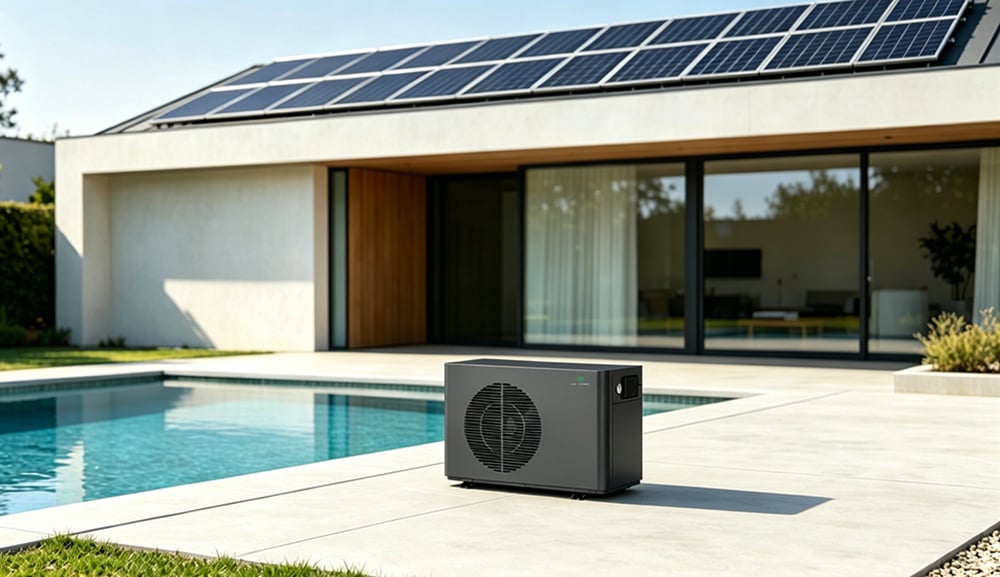
| Component | Specification | Key Parameters |
| PVT Hybrid Panels | 8 x PVT600M | 4.8 kWp electrical + 11.3 kW thermal (peak) 316L stainless steel heat exchanger, 6 bar max pressure |
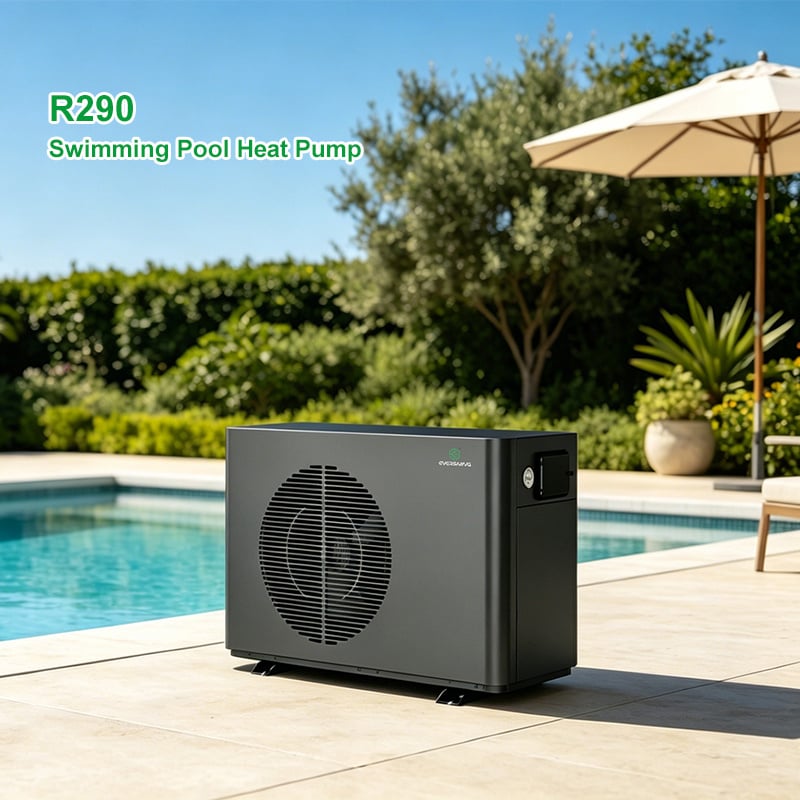
| Heat Pump | ESBYC-016TJ1 | R290 inverter, 15.9~6 kW heating COP 10.6~6.6 (Air 26°C) |
| Inverter | 5kW Hybrid Inverter | DC side: PVT array | AC side: heat pump + grid export |
| Pool | 40 m³, ~25 m² surface | Target 28°C, no thermal cover Season: May–October (180 days) |
| Location | Nice, France (43.7°N) | Mediterranean climate, ~5.0 kWh/m²/day solar Electricity: €0.22/kWh | Feed-in: €0.10/kWh |
A standard PV panel only generates electricity. A PVT panel does two things at once:
1. Electricity Generation
Offsets heat pump compressor power directly.
2. Thermal Harvesting
Preheats pool water, boosting heat pump COP from 6.6 to 7.8.
The second channel is the game-changer. Pool water first circulates through the PVT array, where solar energy raises its temperature by 3–5°C before it reaches the heat pump. With warmer inlet water, the heat pump's temperature lift shrinks — the compressor works less, and COP jumps.
This is the fundamental advantage of PVT over "regular PV + heat pump": the heat pump runs less not just because PVT generates electricity, but because PVT supplies free heat.
| Month | Air Temp | Pool Heat Loss | PVT Heat | PVT Power | Grid (No PVT) | Grid (PVT) |
| May | 17°C | 180 kWh | 49 kWh | 22 kWh | 32 kWh | –2 kWh |
| June | 21°C | 135 kWh | 54 kWh | 24 kWh | 23 kWh | –13 kWh |
| July | 24°C | 100 kWh | 55 kWh | 25 kWh | 15 kWh | –19 kWh |
| August | 24°C | 95 kWh | 49 kWh | 22 kWh | 14 kWh | –17 kWh |
| September | 21°C | 130 kWh | 41 kWh | 18 kWh | 22 kWh | –5 kWh |
| October | 17°C | 175 kWh | 27 kWh | 12 kWh | 32 kWh | 13 kWh |
Negative grid values = net export to grid. From May through September, the meter runs backwards for five consecutive months.
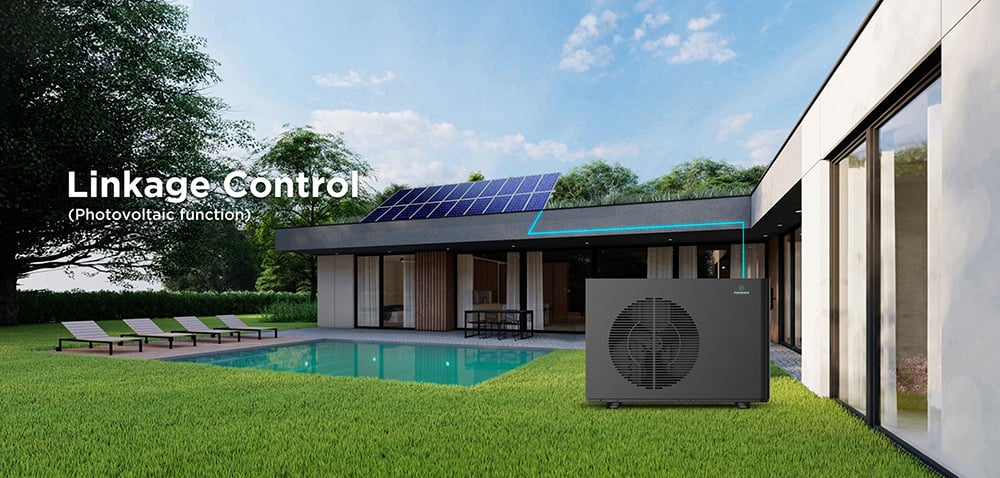
Let us zoom into a typical July day to see how PVT and the heat pump interact in real time:
| Time | PVT Activity | Heat Pump Status |
| 06:00–08:00 | Starting up. Generating ~0.5–2 kW power, water warming slowly. | Standby — pool temperature still acceptable. |
| 09:00 | 700 W/m² irradiance. 2.8 kW power + 6.0 kW heat. | Low-speed start. COP 7.8. Consuming 1.2 kW. |
| 10:00–15:00 | Peak sun. 2.8–4.0 kW power + 6.0–8.5 kW heat. Water reaches 28.5–29.3°C. | COMPLETELY OFF. PVT thermal output covers all heat loss. |
| 16:00–18:00 | Irradiance declining. Output tapering down. | Low to medium speed. COP 6.8–7.5. |
| 19:00–21:00 | Sunset. No more output. | Full speed. Making up residual heat loss from daytime. |
| 22:00–05:00 | Night. No output. | Low speed maintenance / standby. |
Daily total: PVT generated 25.0 kWh electricity + 55.2 kWh heat. Heat pump consumed only 13.3 kWh. Net result: 11.7 kWh exported to the grid — while keeping the pool at 28°C.
| Metric | 8 x PVT600M | 8 x Standard PV 550W |
| Total Power | 4.8 kWp | 4.4 kWp |
| Daily Power (July) | 25.0 kWh | 22.9 kWh |
| Daily Heat Output | 55.2 kWh | 0 |
| Heat Pump COP | 7.8 | 6.6 |
| Heat Pump Daily Usage | 5.7 kWh | 15.2 kWh |
| Net Grid (Daily) | –19.3 kWh | –7.7 kWh |
| Annual Saving | €931 | ~€370 |
PVT saves €561 more per year than standard PV — because thermal harvesting reduces the heat pump's workload by 55%. The small premium for PVT over standard PV pays for itself in under one year.
| Item | Cost (€) |
| 8 x PVT600M panels | 3,200 |
| ESBYC-016TJ1 R290 Inverter Heat Pump | 2,500 |
| 5kW Hybrid Inverter | 800 |
| Mounting, piping, pump, controller | 1,400 |
| Installation labour | 1,000 |
| Total Investment | 8,500 |
| Return | Value |
| Annual saving + feed-in revenue | €931 |
| Simple payback period | ~9 years |
| With French MaPrimeRénov' subsidy (20–30%) | 6–7 years |
| Lifetime net benefit (15–20 yr) | €5,500–10,000 |
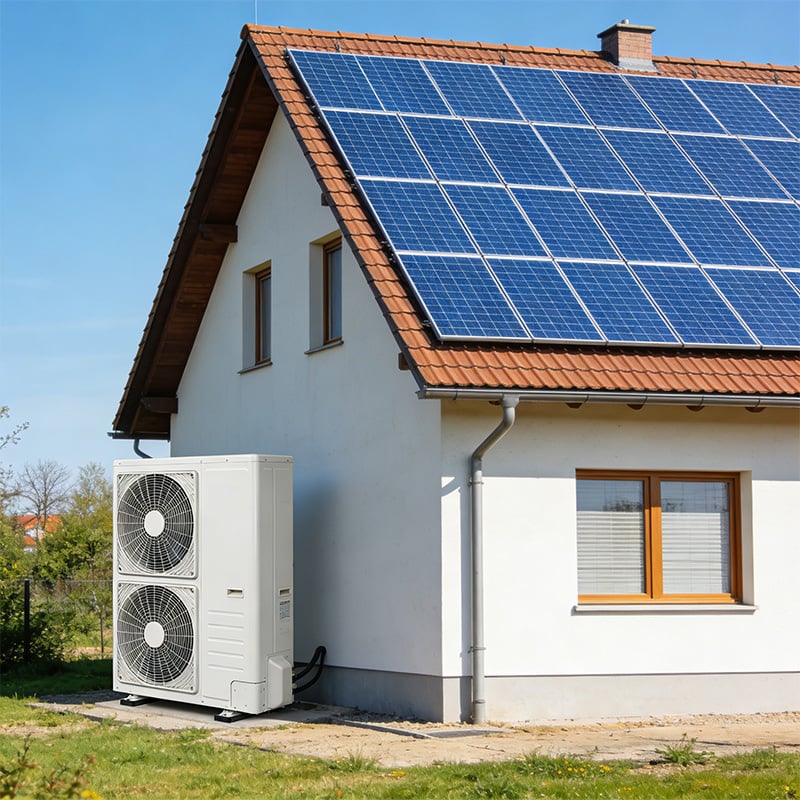
8 PVT panels on a South-of-France rooftop. One R290 inverter heat pump. 180 swimming days. The electricity meter runs backwards for 150 of them. The sun supplies the power, the PVT supplies the heat, and the owner pays nothing for pool heating.
The old logic was: pool loses X kWh of heat, heat pump makes up X kWh with electricity.
PVT rewrites the formula:
Pool heat loss − PVT free thermal supply = what the heat pump actually needs to do.
When the sun shines hardest — exactly when the pool loses the most heat — PVT generates both abundant electricity and heat. The heat pump rests during peak sun hours. During off-peak hours, it operates with preheated inlet water at a significantly higher COP.
Get a Custom PVT + Heat Pump Analysis for Your Project
Windfull provides complete swimming pool heat pump system solutions — from system design and equipment supply to installation guidance. Contact us at [email protected] or WhatsApp: +86-13306217982
Copyright © Suzhou WindFull New Energy Co., Ltd.All Rights Reserved — Privacy Policy