EN
EN



Recently, a customer from the United States contacted us. He runs his own farm, which is about three kilometers away from the nearest public power grid. Therefore, at this distance, it will cost a lot of money to connect his farm to the public power grid. But if he doesn't do this, all the infrastructure that needs electricity, such as lights, refrigerators and TVs, can't be used at will, which has always caused him a headache.
Meanwhile, in cold months, his family must rely on electric floor heating and instant water heaters for heating. As a result, his daily electricity consumption will reach 15 to 20 kilowatt hours. At night, when all the heating equipment is running at the same time, the instantaneous peak electricity consumption can even soar to 5 kilowatts at once. This not only requires more electricity bills, but also poses safety hazards. Therefore, he urgently needs to change this situation.
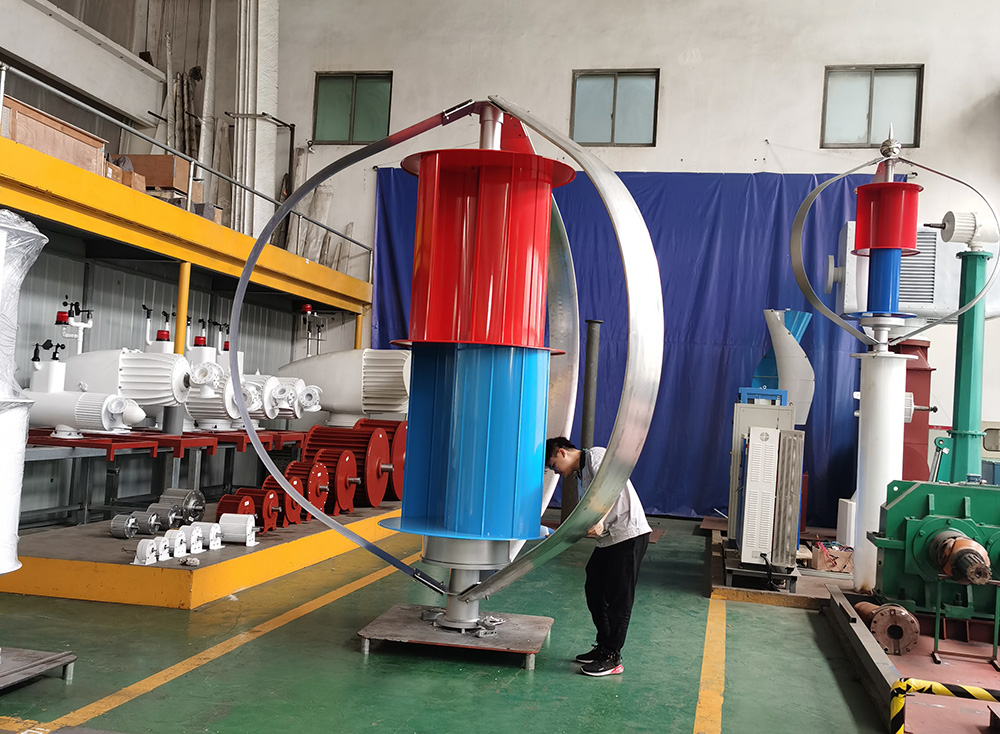
After listening to the customer's description at that time, an idea immediately popped up in my mind: this is simply an excellent application scenario for Q-type wind turbine. There are two things that customers have the most headaches: first, the daily electricity consumption during the day, such as lights, refrigerators and TVs, actually do not consume much electricity; the other is the heating in winter, the electric floor heating plus instant water heater, which is turned on at the peak of 5 kilowatts at night, and the total electricity consumption is 15 to 20 degrees a day. This data is very important. It tells us two things: first, its peak power consumption is in winter nights; second, the peak power is not particularly high, and it can be fully covered by a medium-sized off-grid system alone.
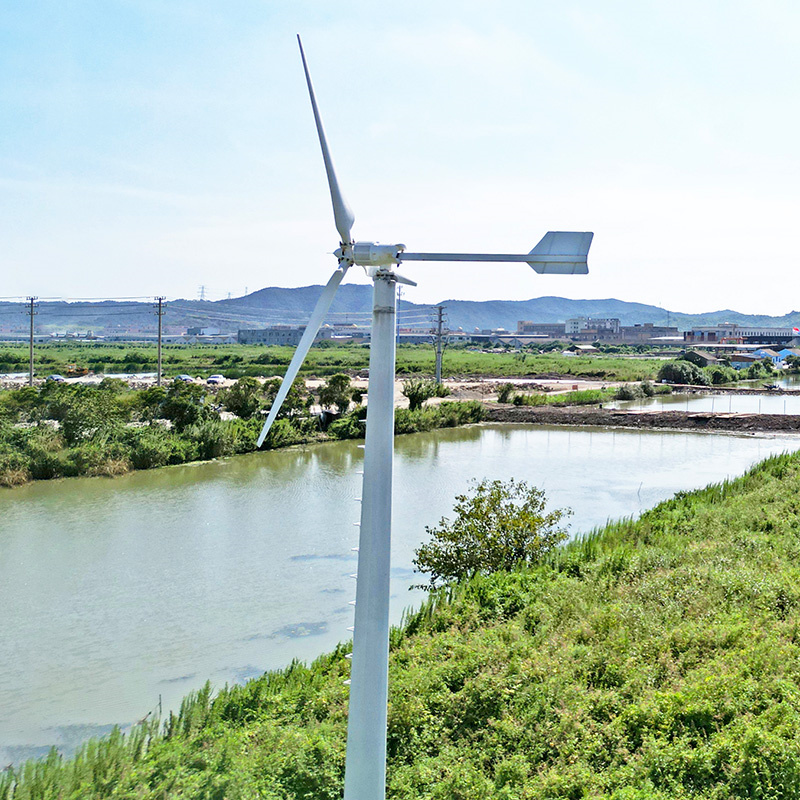
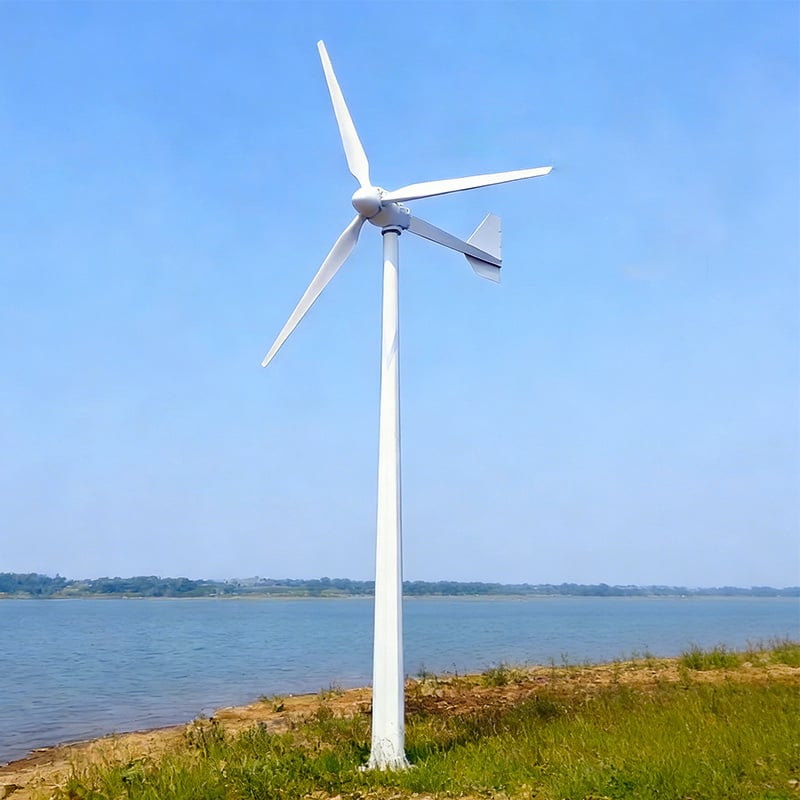
The core of the plan I recommended to him is a Q-type wind turbine. Why choose the Q type? Because the area around the farm is usually relatively open and the wind conditions are good, but the traditional three-leaf wind turbine has high wind speed requirements, loud noise and troublesome maintenance. Type Q is a vertical axis design, and the starting wind speed is low - the wind can turn about 2m/s, and it is not afraid of changing wind direction. If there is a turbulent wind caused by barns and trees around the farm, it can still generate electricity steadily. More importantly, it is quiet and will not make customers unable to sleep because of the "buzzing" noise at night.
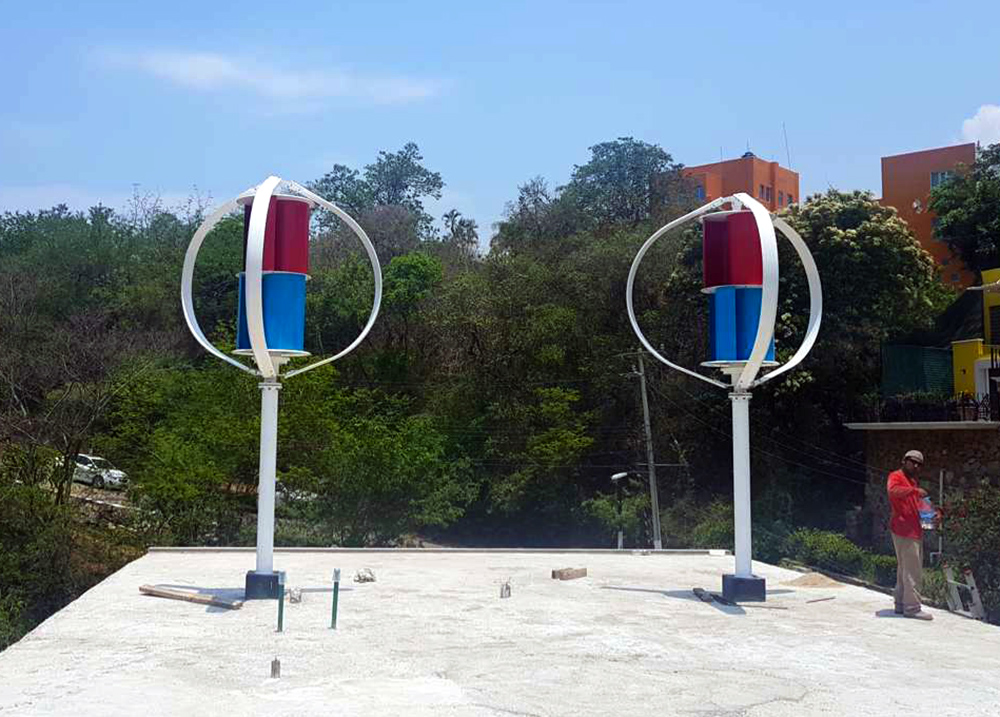
Depending on the customer's location, the average annual wind speed of the Midwest farm in the United States is about 4-5m/s. A 5 kw Q-type wind turbine, combined with an appropriate battery pack, can fully meet the instantaneous demand of a peak of 5 kilowatts. I calculated an account for him: in winter, the electricity is 20 degrees a day, and the night heating is concentrated in the first half of the night, about 4-5 hours. At this time, if the fan is windy all the time, coupled with the battery discharge, it can fully support. Less electricity is used during the day, and the excess electricity is stored in the battery to form a closed loop.
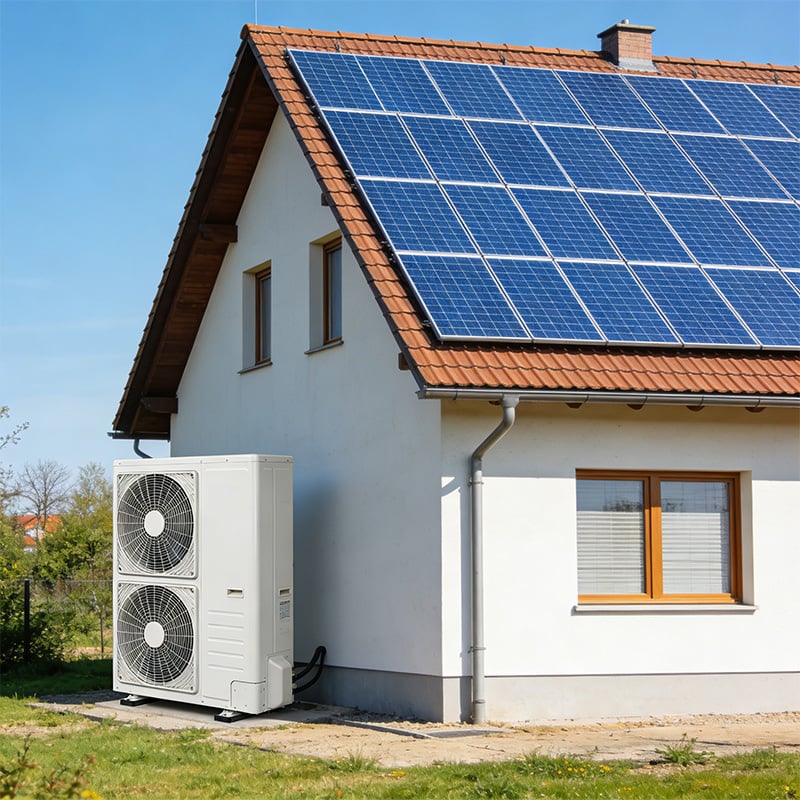
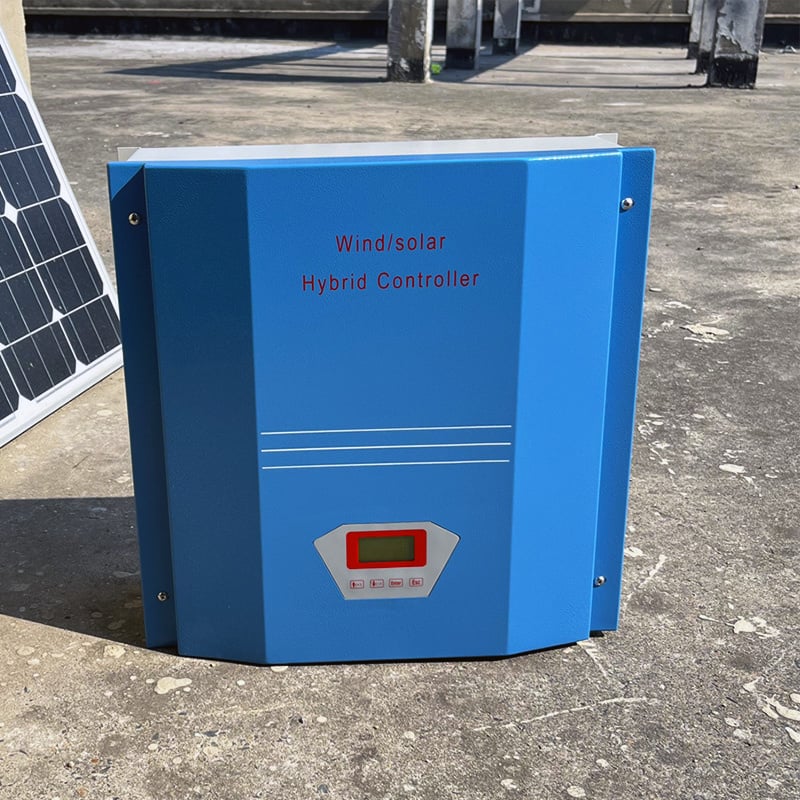
Of course, relying on the wind turbine alone is not safe enough. I suggest that he add a set of small-capacity solar panels - not for the main supply, but as a supplement. After all, there are also sunny days without wind, and photovoltaic just fill this gap. With a lifepo4 battery pack, the storage capacity of 10 degrees is more than enough during the day. The inverter chooses pure sine wave, about 8 kilowatts, and the safety and stability are guaranteed.
In terms of cost, what customers are most concerned about is "how much to save the power grid". Pull the three-kilometre power grid, roughly estimated that from telephone poles, transformers to construction, at least tens of thousands of dollars. And a set of 5kw Q-type wind turbine, 5kw solar panels and 10-degree electric energy storage system, the total price of the equipment plus the cost of installation and infrastructure construction is at least half less than that of the power grid. Moreover, this system can be used for 15 to 20 years without any problems. During this period, except for occasional oiling the wind turbine bearing and checking the battery status, there is almost no need for maintenance. Electricity bill? Zero.
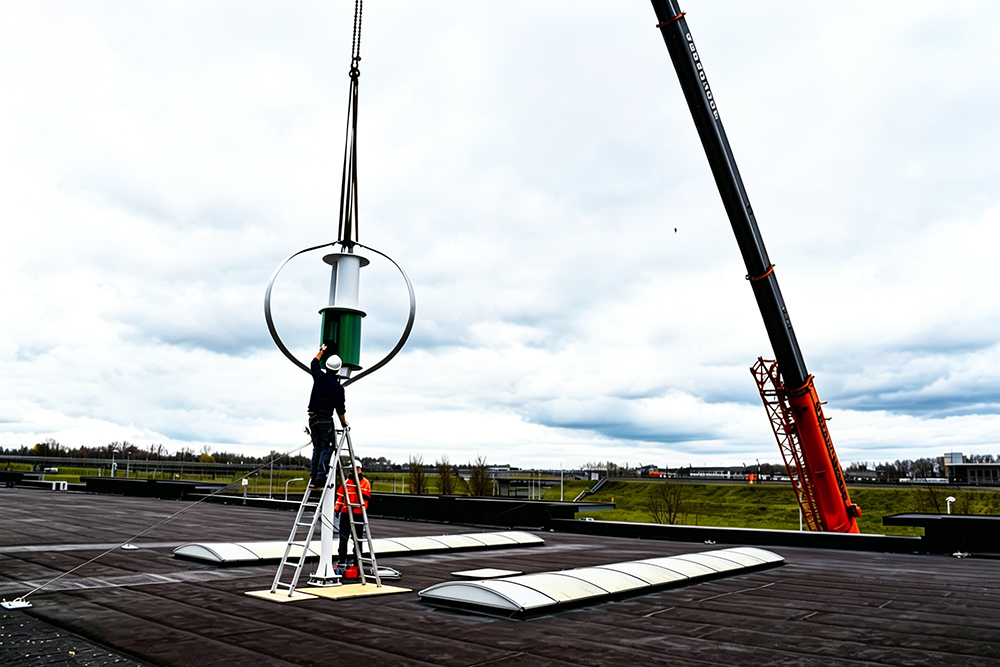
What's more important is safety. The customer turned on all the heating equipment at the same time at night, which was equivalent to pushing the circuit to the limit, and the old lines and switches were easy to overheat and catch fire. When the off-network system is designed, it will be redundant according to the peak value of 5 kilowatts. The inverter has overload protection, the battery has temperature control management, and the branch control - for example, the bedroom floor heating and the living room floor heating are staggered for half an hour, and the peak value can be lowered. In this way, it is not only enough, but also safer than the original city power plan.
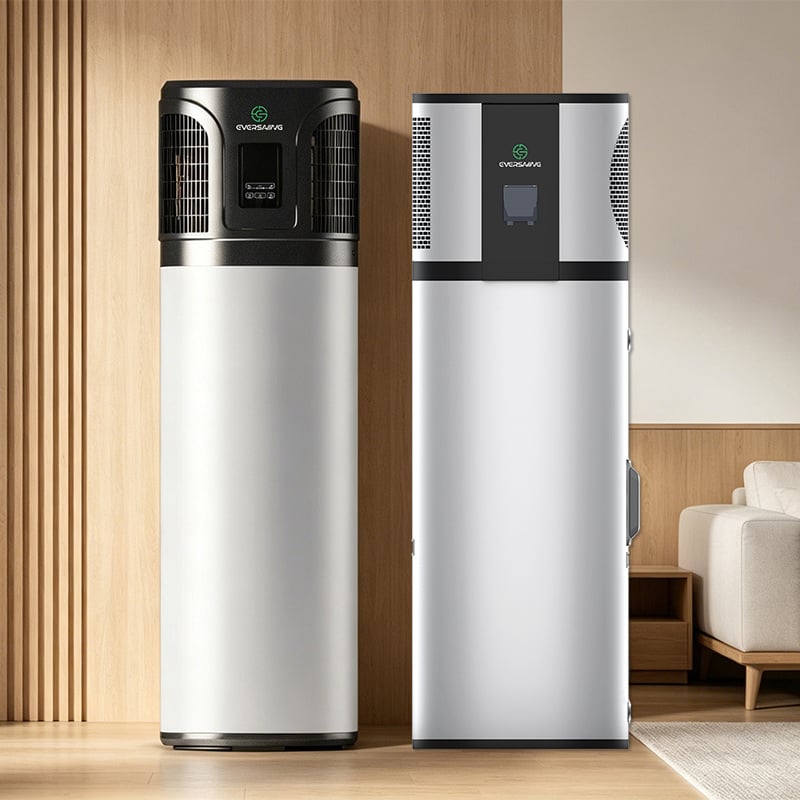
We told these analyses to the customer one by one, and he got excited on the spot. Finally, he asked, "If the heating is not turned on in summer, what about the excess electricity?" We said with a smile that adding an electric water heater or a small charging pile to use the electric tools on the farm and future electric vehicles is not a waste at all.
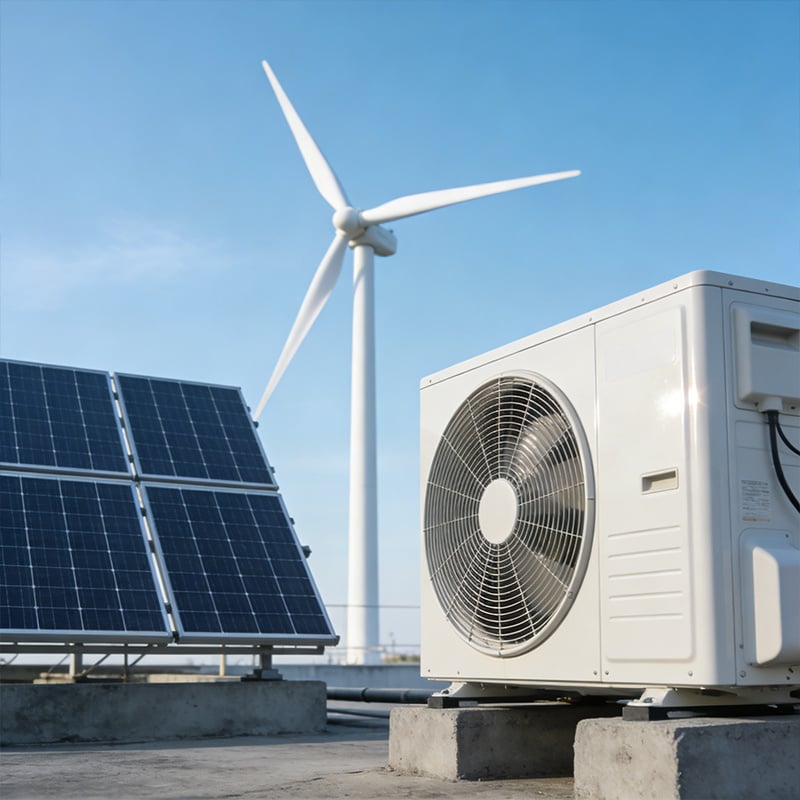
This case is actually very typical. Many people think about "installing more batteries and laying more photovoltaic" as soon as they talk about leaving the grid, but they often ignore the advantages of wind energy at night and in winter. Q-type wind turbine + photovoltaic + energy storage, this combination of "landscape storage" is the key for remote farms to truly achieve energy self-sufficiency.
Copyright © Suzhou WindFull New Energy Co., Ltd.All Rights Reserved — Privacy Policy