 EN


Just ask someone when the solar panels generate the most electricity. Nine out of ten people will say that it is a hot summer afternoon. Intuitionally, this is reasonable: the bigger the sun, the more charged it is. But if you ask the photovoltaic engineer, he will tell you a common sense that goes against intuition: solar panels are actually particularly afraid of heat.
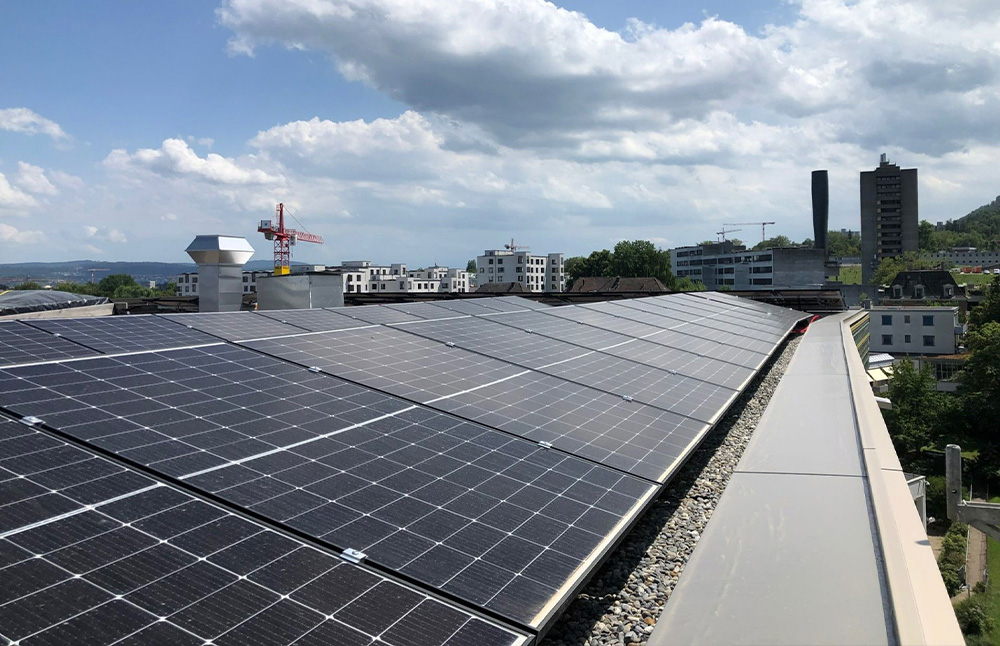
Ordinary monocrystalline silicon solar panels have an innate temperament: the higher the temperature, the poorer the power generation efficiency. On a sunny day with an outdoor temperature of 32℃, the surface temperature of the black-pressed solar panels can easily soar to 65℃ or even 75℃ under the exposure of the roof.
Once the solar panels is hot to this point, the actual power generation output will shrink by 14% to 18%. More than 80% of the sunlight shining on the roof does not turn into electricity at all, but turns into annoying excess heat, which not only slows down the speed of power generation, but also accelerates the aging of the solar panels.
But at the same time, hotels, farms, swimming pools and families have to spend a lot of extra electricity or gas bills every year for bathing water, floor heating and heating, and often worry about the lack of water heaters on the roof.
This is exactly where PVT (photoelectric, light and thermal integration) technology shows its skills - a PVT panels that solves two pain points at the same time.
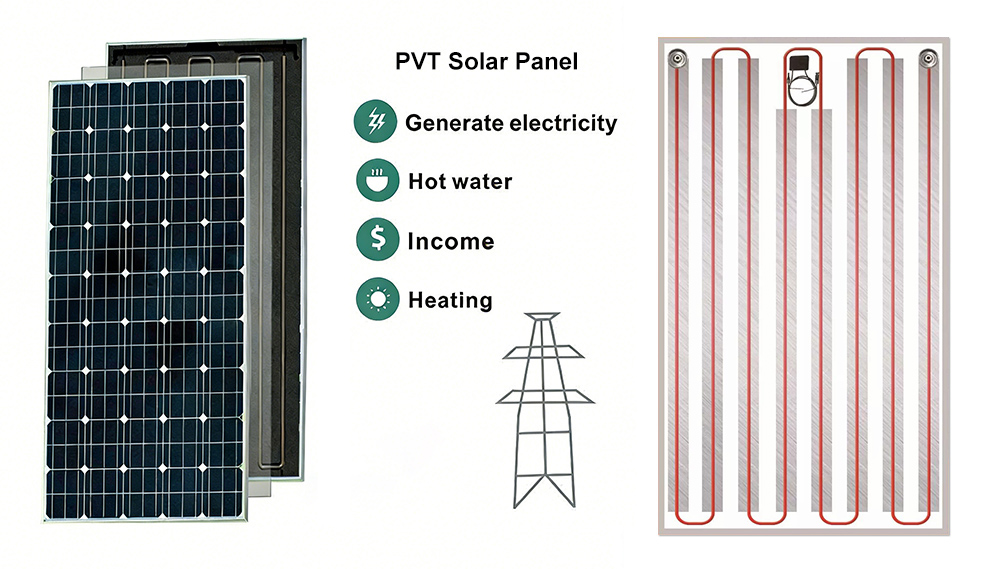
The PVT panels is essentially a thin layer of microchannel water-cooled heat dissipation backboard behind the high-efficiency photovoltaic panel. The coolant continues to circulate behind the panel:
- Water cooling cools down to get back the lost electricity: the circulating water continues to take away the sultry heat behind it, and steadily suppresses the working temperature of the battery panel in the golden range of 35℃ to 45℃. Eliminating the drag of high temperature, the actual power generation in summer can directly increase by 10% to 15%.
- Waste heat becomes hot water, and the comprehensive energy efficiency increases several times: the heat taken away by water is not scattered in vain, but becomes 30℃ to 55℃ bath hot water or heating water. The comprehensive utilization rate of sunlight of the whole PVT panels has jumped directly from less than 20% to more than 70%.
- Save half of the roof area: there is no need to lay photovoltaic panels on one side of the roof and erect old-fashioned solar hot water pipes on the other side. A set of PVT panels can be used to generate electricity and hot water in the same area.
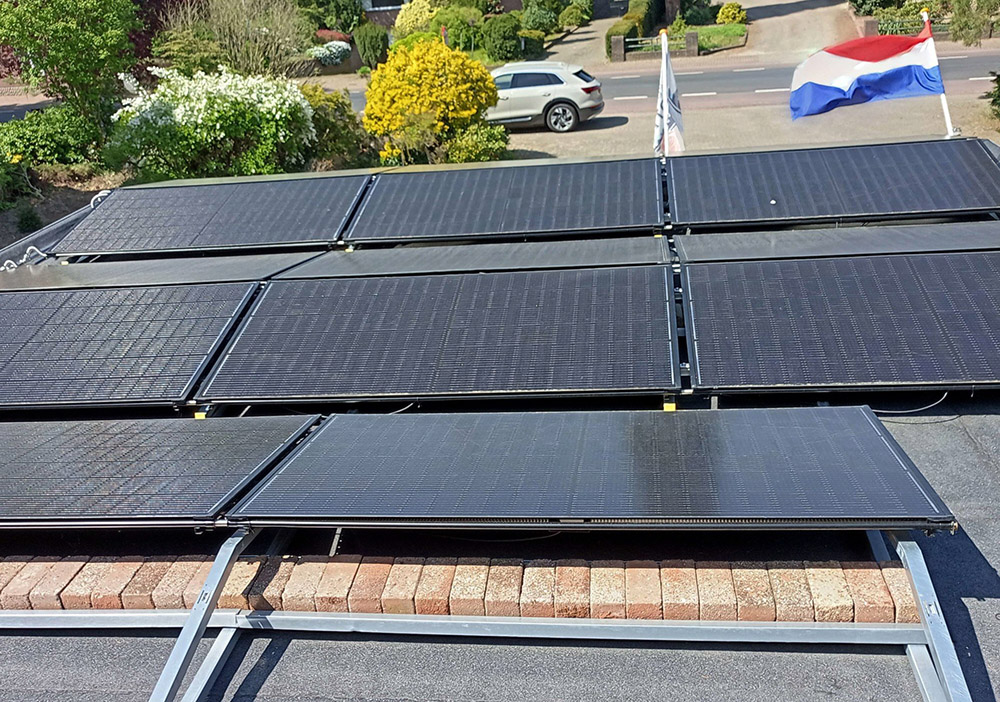
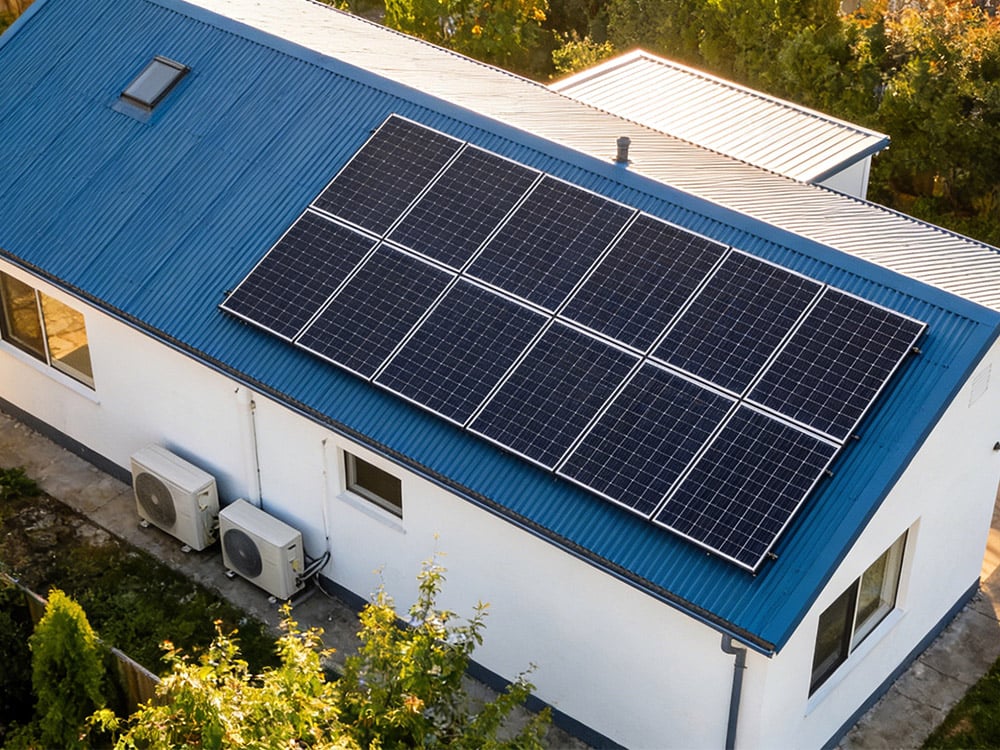
If the PVT panels is connected to another variable frequency heat pump, the energy-saving effect will be improved:
- Help the heat pump reduce the burden and save electricity: Ordinary air-energy heat pumps often work hard in the cold wind in winter. The warm water from the PVT panels output is sent directly into the heat pump. The heat pump is particularly labor-saving to operate, and the heating power consumption can be directly reduced by up to 40%.
- All-weather energy self-sufficiency: during the day, the electric direct heating pump from the front works, and the excess hot water is stored in the insulated tank for bathing and heating at night, which is comfortable and environmentally friendly.
Don't let the summer sun evaporate your solar energy profits in vain. PVT panels makes every inch of waste heat on the roof generate value, and every square meter of sunshine can be doubled.
About Jiangsu DHC Environmental Si-Tech Co., Ltd.
We develop and manufacture high-performance PVT panels and heat pump systems for global commercial hotels, modern agriculture and residential projects. Welcome to contact our engineering team to get intuitive energy-saving measurement and configuration plans.
Copyright © Suzhou WindFull New Energy Co., Ltd.All Rights Reserved — Privacy Policy
