 EN
EN


In recent years, the role of PVT solar panel in overseas markets has undergone substantial changes - from a concept product at exhibitions to a regular option in European project plans.
Previously, when customers asked about PVT solar panel, it was mostly out of curiosity, and they would often ask: "Can it really generate both electricity and heat simultaneously?" ; Nowadays, customers are concerned about the price and delivery time, and they also provide the roof size and heat load. So why has the PVT solar panel become the new choice for many customers in recent years? There are mainly the following reasons.
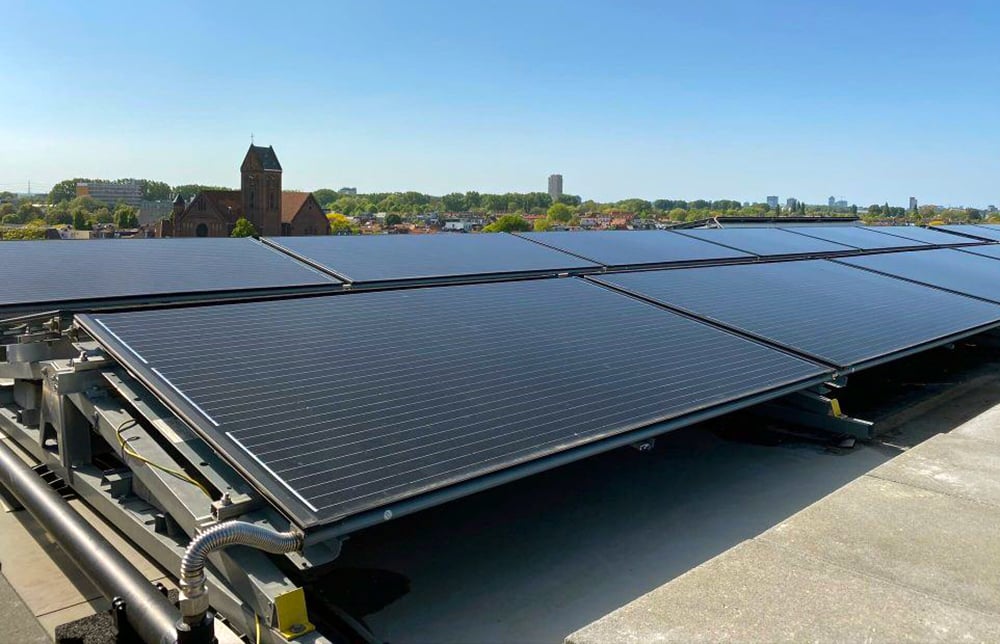
The most direct reason is the limitation of roof area. Generally speaking, most photovoltaic panels are installed on rooftops to maximize the utilization of space. Whether it's a household or a factory, the roof area is limited. After the photovoltaic panels are fully installed, separate arrangements still need to be made for hot water and heating. PVT Solar Panel integrates power generation and Heat collection on the same module - according to Solar Heat Europe, the energy output per square meter can reach three times that of conventional photovoltaic panels. For project decision-makers, this advantage is more persuasive.
The second impetus comes from the heat pump market. The installation of heat pumps in Europe continues to increase, and what is most lacking in heat pump systems? Stable low-temperature heat sources. The efficiency of air source heat pumps drops significantly in extremely cold conditions, while ground source heat pumps require drilling and have a relatively high initial investment. The heat collection circuit of PVT solar panel can precisely provide a low-temperature heat source of around 30°C, raising the inlet water temperature of the heat pump, and the efficiency can be increased by approximately 15%. When combined, the overall performance is better than when running each separately.
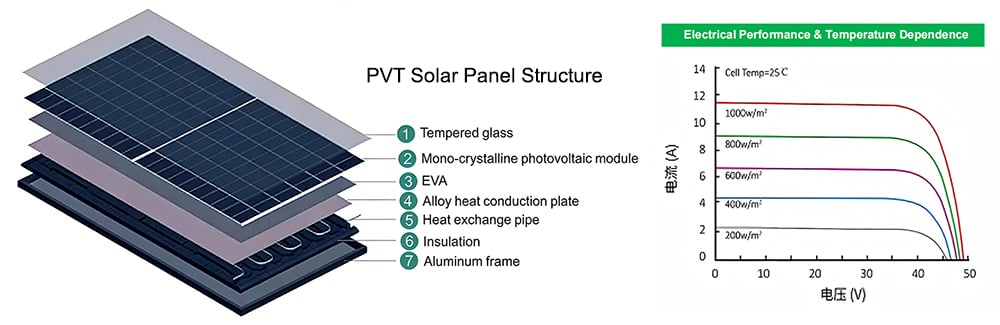
Thirdly, the evaluation logic of customers has changed. In the past, the question was "How many years will the photovoltaic pay back?" Now, the question is "How much electricity and heat can this roof produce in a year?" For an Italian residential project we handled: a 240㎡ residence, equipped with 14 PVT solar panels (each generating 600W and producing about 1.4kW of heat) and 18 conventional photovoltaic panels, the daily electricity generation is 76.8kWh, which exactly covers the daily consumption of the heat pump (52kWh) and the household load (20kWh), and the winter heating and the annual hot water are solved together. After the customer's calculation, the decision-making speed has significantly accelerated.
Fourth, policy promotion, with a strong force. The renewable energy subsidy, the off-grid electricity price and the tax refund policy are combined, and the self-payment ratio of the owner has significantly decreased. In the scheme design stage of the above-mentioned Italian project, the subsidy and the off-grid electricity income were included in the calculation, and the investment recovery period was shortened - this is the most direct driving force for the transaction.
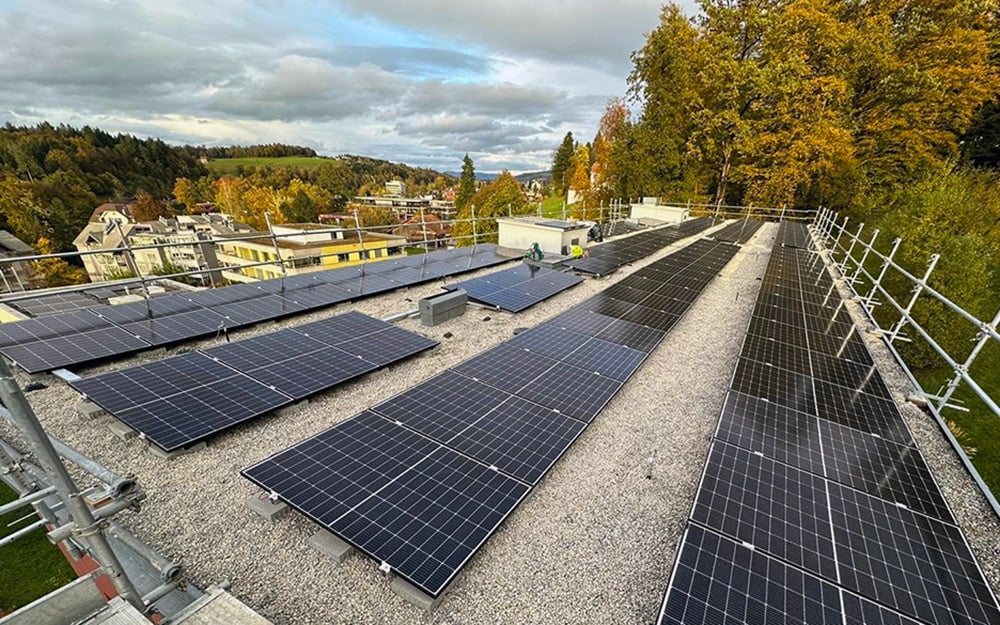
Fifth, product technology is becoming more mature. In the early days, PVT solar panel had many shortcomings: average efficiency, cumbersome installation, limited cold and heat resistance. At present, the products are at another level. Taking our 600w PVT solar panel as an example, the component efficiency is 21.2%, the combined efficiency of power generation and heat collection is about 80%, the working temperature range is -40℃ to 85℃. The installation process has also been significantly simplified - an Austrian food factory with a sandwich board roof, the customer initially worried that it could not be installed, after the structure was confirmed, we provided a direct fixation scheme and installation drawings, and 83 PVT solar panels were successfully installed.
Another point to note is: the application scenarios are extending from residences to industries. Factories such as food and chemical industries that require production hot water above 60℃ adopt PVT solar panel and heat pumps, compared with gas heating, it is more economical. Solar Heat Worldwide data shows that in 2019, the global installed area of PVT solar panel was only 1160,000 square meters; by 2023, Europe will account for 64% of the global installed heat collection area (Solar Heat Europe data), France, Germany, and the Netherlands are at the forefront, and a considerable part of the increase comes from industrial projects.
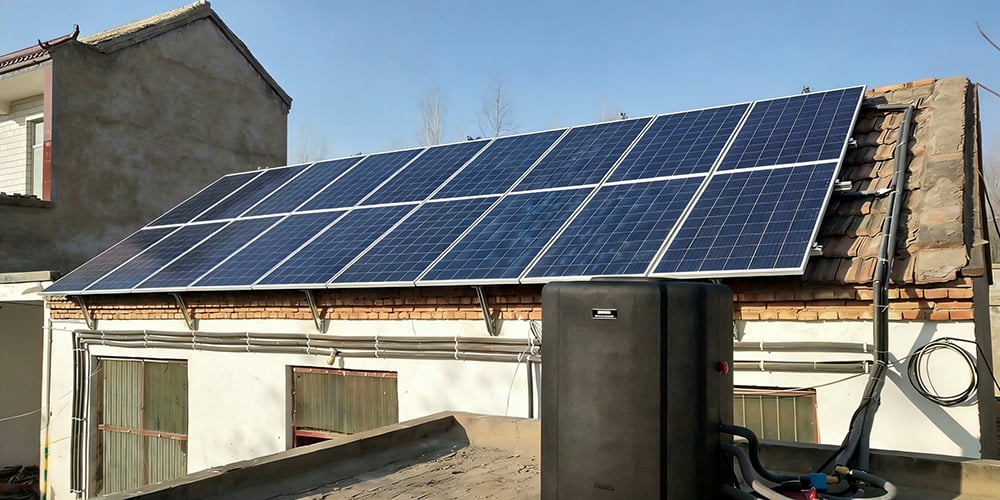
The popularity of PVT solar panel is not the result of marketing promotion, but due to economic reasons. Limited roof area, high energy costs, adequate policy support, and mature products - when these conditions are all met, the market will naturally make a choice. If you have a project in the process of type selection, you can send us the roof area and heat demand, do a round of calculation first, and then determine whether the scheme is feasible.
Copyright © Suzhou WindFull New Energy Co., Ltd.All Rights Reserved — Privacy Policy
