EN



In August, a Dutch client sent us feedback on his PVT solar modules system: "It works very good. I am almost from the grid."
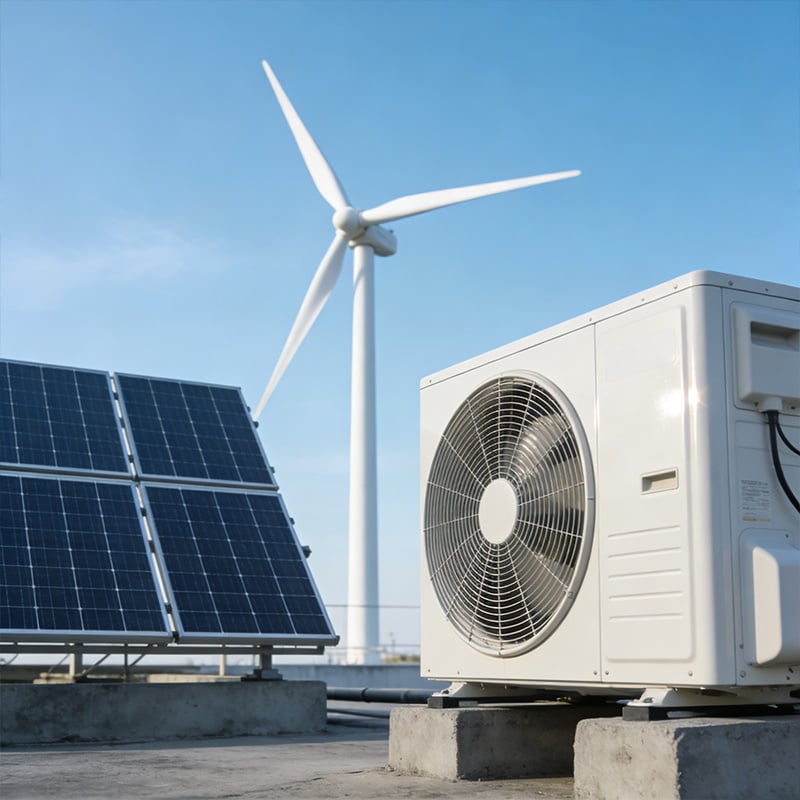
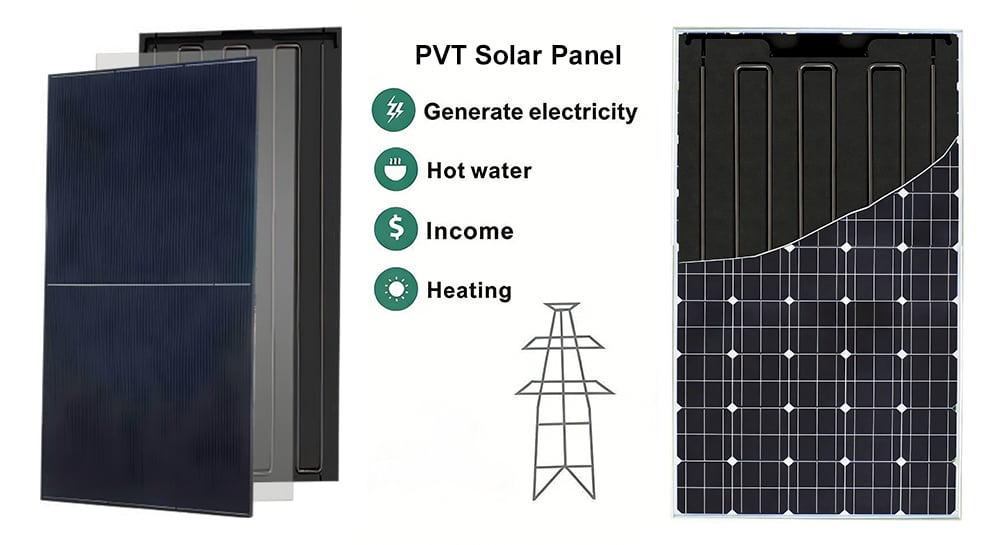
The client first contacted us last year. He already owned a water tank and a heat pump and wanted to purchase PVT solar modules to power his home. Taking into account the power of his existing heat pump, the electricity demand, as well as the area and load-bearing capacity of the roof, we suggest that he install 10 pieces of 600W PVT solar modules and 5 pieces of 550W PV panels, totaling 8.75 kw. The PVT solar modules account for nearly 70%. The division of labor between the two sets of panels is clear: The PVT solar modules generate electricity while also collecting waste heat for heating, while the ordinary photovoltaic panels only do one thing - generate electricity. This ensures his electricity and heating needs, and also provides some low-temperature hot water for the water tank to improve the heating efficiency of the entire system.
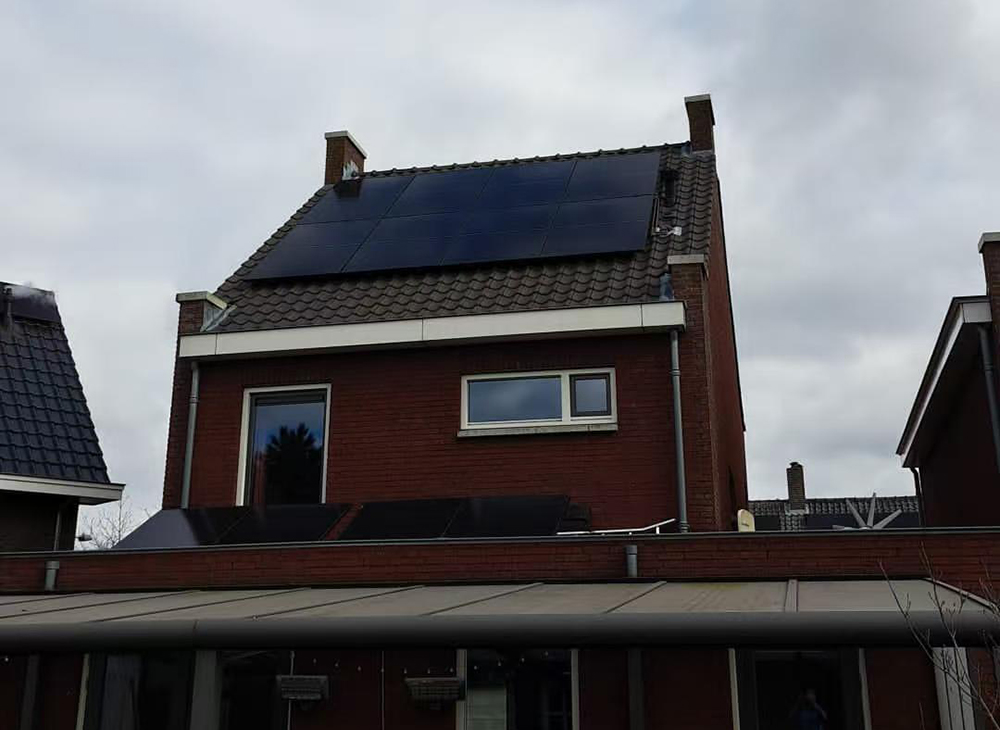
The customer was very satisfied with this solution and we quickly reached a cooperation agreement.
After delivery, he intends to install it himself. We provided full technical support. Electrical, water supply, and hot water tank were all connected by the customer themselves.
The entire system runs smoothly. Recently, the customer is considering adding batteries to store electricity. He told us: "1500 watts and I get 7,8 kw back to heat my house and boiler."
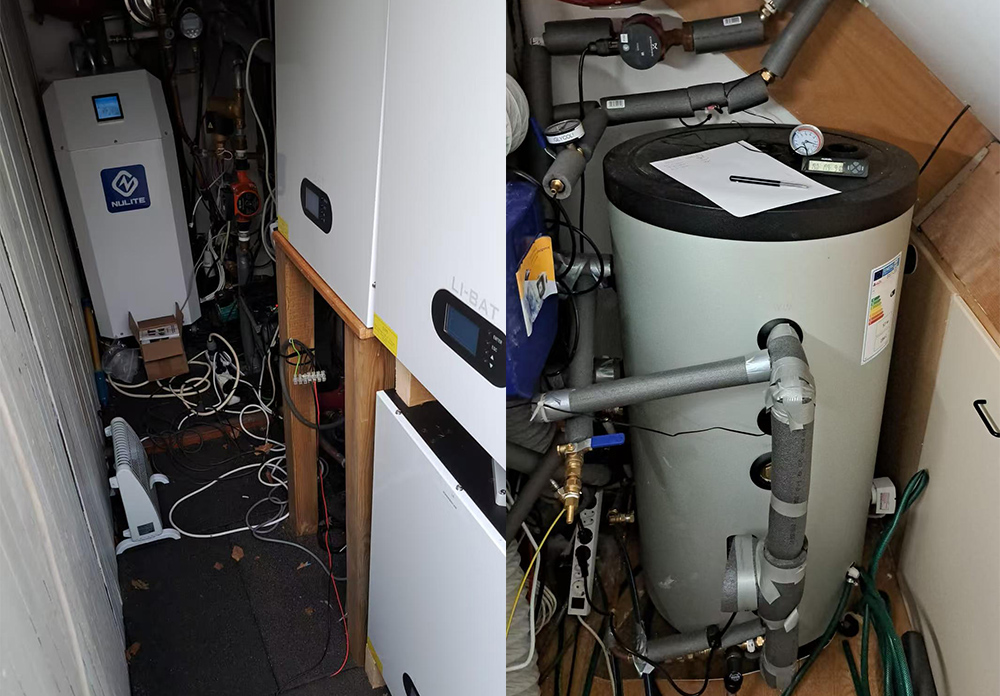
The client added three more details.
The first one was about cooling. He said that the cooling was handled by the heat exchanger. The floor served as both the heating end and the air conditioning end. The cold source was directly taken from the groundwater. "about 6,5 kw cooling power for only the pumps, which is about 100 watts"
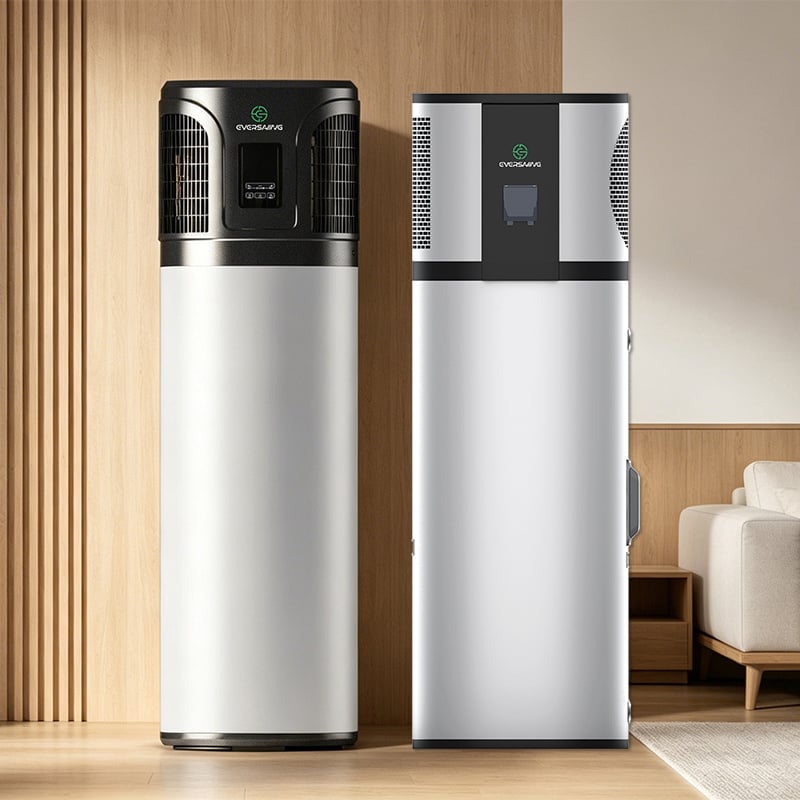
The second detail was about the hot water tank. The tank had two circuits. One circuit connected to the heat pump, and the other connected to PVT solar modules. The tank would automatically start when the outside temperature was higher than the inside temperature. It would circulate to evenly distribute the water temperature throughout the tank. Additionally, he has also external electrical heater forlegionella extincion.
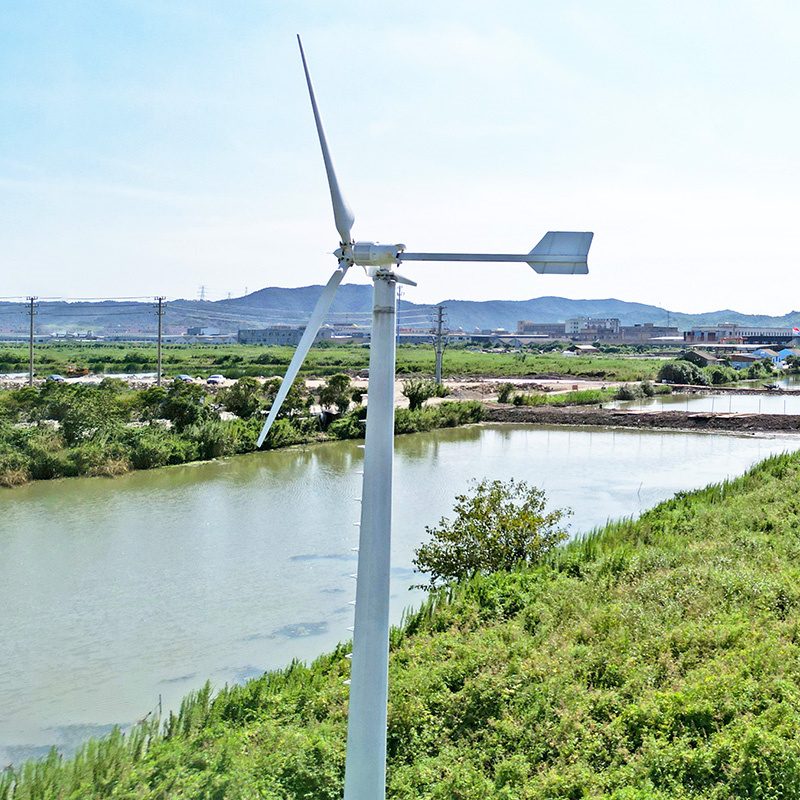
The third detail was about the fan. Later, he installed a small wind turbine and planned to add batteries. After viewing the photos, we directly said: Judging from the appearance, this unit is relatively small, estimated to be around 200 watts. It would be best to install it farther away from the house and raise the tower pole higher. Otherwise, it wouldn't receive sufficient wind speed. He replied: Neighbors and local regulations do not allow large equipment to be installed around the house, so it can only be installed at this location. The wind speed is still satisfactory.
Through this case, we also remind everyone that before starting a home system project, the following points need to be taken into consideration.
Firstly, how to align the roof area with the demand. The most common issue in home projects is that "electricity is needed, heat is also needed, but the installation area is limited by the roof area". When PVT and ordinary PV are mixed, this is the conventional solution: one PVT solar module generates two incomes, while the ordinary PV panel focuses on providing electricity. With the same roof area, the output of electricity and heat can both increase.
Secondly, where to store the heat. The waterway of PVT solar modules must have a destination. In home projects, it is usually a pressure tank. The size of the water tank directly determines how long hot water can last and whether a heat pump is needed to be added later.
Thirdly, anti-freezing. If the zero-degree temperature is normal in your local winter, without adding ethylene glycol to the waterway, the ice expansion can crack the pipeline. This point must be considered during the procurement.
Fourthly, how to handle the electricity. Grid connection, energy storage, or grid connection first and then adding batteries later, depends on local policies and the electricity consumption structure of your home. This step must be determined before choosing the appropriate inverter.
If you are also planning a PVT solar modules and heat pump combination scheme for your home, feel free to contact us to get the most suitable solution.
Copyright © Suzhou WindFull New Energy Co., Ltd.All Rights Reserved — Privacy Policy