 EN
EN


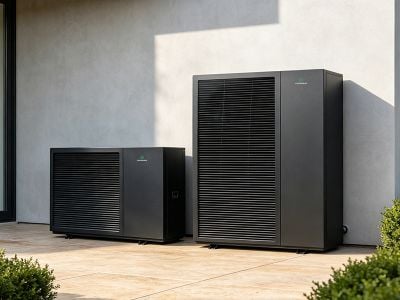
Heat pumps are a great way to keep manufacturing plants warm and efficient. They work by moving heat from one place to another, rather than making heat like traditional heaters. This helps companies save energy and money. Windfull specializes in installing heat pumps that fit your plant's needs. With our expertise, you can get a heating system that is not only effective but also environmentally friendly. Choosing a heat pump is a smart decision for any manufacturing plant looking to improve their heating system.
The Ultimate Guide for Manufacturing Plants
Manufacturing plants can be big and complex, and keeping them warm is very important. A heat pump can be a fantastic solution for this. It can heat large areas without using too much energy. This is done by transferring heat from the outside air or ground into the building. It's like a refrigerator but working in reverse. For example, when it’s cold outside, the heat pump collects heat and brings it inside. This method is not only efficient but also helps reduce carbon emissions, making it better for the planet. Many plants worry about the noise from heating systems. But with Windfull's heat pump system, the noise level is low, so it won’t disturb your workers. Plus, heat pumps have fewer moving parts compared to traditional heaters, which means less maintenance. When choosing a heat pump, it's crucial to think about the size of your plant and your heating needs. You don't want a system that's too small or too big. Working with Windfull means you’ll get expert advice on what will work best for your facility. We can help you choose the right model and size to fit your requirements perfectly. It's like having a tailored suit for your heating system. Also, installing a heat pump can qualify your plant for energy rebates or incentives, which can save even more money in the long run. Many businesses have already made the switch, and they are enjoying lower energy bills and a more comfortable work environment. This guide is just the start, and we’re here to help you every step of the way.
What Are the Benefits of Installing Heat Pumps in Your Facility?
There are many good reasons to install heat pumps in manufacturing plants. One of the biggest benefits is energy efficiency. Heat pumps use less electricity than traditional heating systems, which means lower energy bills. Imagine saving money each month just by changing your heating system. Another great benefit is their ability to provide both heating and cooling. In the summer, your heat pump can work like an air conditioner, keeping the plant cool. This means you don’t need separate systems for heating and cooling, which can save space and money. Plus, high efficiency heat pump are very reliable. They can work for many years with little maintenance. This means less downtime for your plant, which is always a plus. Many manufacturers also care about the environment. Using a heat pump can help lower your carbon footprint. This is because they use renewable energy sources, like the air or ground. By making this change, your plant can show its commitment to sustainability, which can be great for your image. Windfull makes the installation process easy. Our team will work with you to make sure everything goes smoothly. We understand that every plant is different, and we will customize the solution to fit your needs. Whether you are a small or large facility, heat pumps can help create a better and more efficient working environment. You can enjoy the comfort of a warm plant while also being kind to the planet. So, if you are considering upgrading your heating system, think about the advantages of heat pumps. It’s a smart move for your manufacturing plant.
How Heat Pumps Enhance Energy Efficiency in Manufacturing Operations?
Heat pumps are a great way to keep manufacturing plants warm while saving energy. Unlike traditional heaters that burn fuel to create heat, heat pumps move heat from one place to another. They can take heat from outside air, even when it’s cold, and bring it inside. This means they can work all year round, making them a smart choice for factories. When a manufacturing plant uses a heat pump, it reduces the amount of energy it needs. This is important because energy costs can be high, and every dollar saved can help a business grow.
Windfull heat pumps are designed to be very efficient. They use less electricity than regular heaters, which means lower energy bills. By using less energy, factories can also help the environment. Less energy use means fewer gases are released into the air that can harm our planet. Also, when plants save energy, they can use that money for other important things, like buying new machines or paying workers better.
Another great thing about heat pumps is their ability to provide consistent heating. Manufacturing processes often require specific temperatures to work properly. If a factory gets too hot or too cold, it can cause problems. Heat pumps can adjust the temperature quickly to keep everything running smoothly. This means that products can be made correctly and safely. So, when manufacturers choose Windfull heat pumps, they not only save energy but also create a better working environment for their employees, leading to increased productivity.
Cost-Effective Heating for Large Facilities
Heating a large manufacturing plant can be expensive, but heat pumps offer a cost-effective solution. Traditional heating systems can use a lot of fuel, which leads to high costs. This can be a big challenge for big factories that need to heat large spaces. Windfull heat pumps can help reduce these costs significantly. They are designed to heat large areas without using a lot of energy. This means that over time, companies can save a lot of money on their heating bills.
One of the reasons heat pumps are cost-effective is that they can produce more heat than the energy they consume. For example, for every unit of electricity used, a heat pump can create up to four units of heat. This is called the coefficient of performance (COP). A high COP means more heat for less money. This can be especially helpful during cold months when heating needs are at their peak.
Another benefit of using heat pumps is their low maintenance costs. Unlike traditional heating systems that may need regular repairs or replacements, heat pumps are generally easier to maintain. This can save factories even more money in the long run. And because they are built to last, manufacturers can count on Windfull heat pumps to keep their facilities warm for many years. Overall, heat pumps are a smart investment for large manufacturing plants that want to save money while keeping their facilities comfortable.
How to Maximize ROI with Energy-Efficient Heat Pump Installations?
Installing heat pumps is a great way for manufacturing plants to be smart about their money. However, to get the most out of these systems, businesses need to plan carefully. The first step is to assess the heating needs of the facility. This means looking at how much space needs to be heated and how much heat is needed during different times of the year. Windfull can help manufacturers figure out the best size and type of heat pump for their specific needs. Getting the right fit is important because it ensures maximum efficiency.
Another important factor is the quality of the installation. A heat pump needs to be installed correctly to work well. If it is not installed properly, it may not heat the space effectively, which can lead to wasted energy and higher costs. Windfull has experienced technicians who can make sure the heat pumps are set up perfectly. This can help maximize the return on investment (ROI) for the company.
Lastly, regular maintenance is key to keeping heat pumps running efficiently. Just like a car needs oil changes and check-ups, heat pumps need care too. Factories should schedule regular maintenance to keep their systems in top shape. This helps catch any problems early and ensures the heat pumps continue to work efficiently. By taking these steps, manufacturing plants can get the most out of their Windfull heat pump installations, saving money and ensuring a warm, productive working environment.