 EN
EN


A Complete Guide to Hybrid Renewable Energy System Design
A renewable energy system combines multiple clean energy technologies to generate reliable and efficient power. One of the most effective combinations includes photovoltaic-thermal (PVT) solar panels, wind turbines, and solar heat pumps. By integrating these renewable energy sources, homes and businesses can produce both electricity and heat while reducing dependence on conventional power grids. wind mill
Unlike systems that rely on a single energy source, hybrid renewable systems continue generating energy even when weather conditions change. This balanced approach improves energy reliability, lowers operating costs, and supports long-term sustainability. eolic turbine
What Are the Key Benefits of a Hybrid Renewable Energy System?
A hybrid renewable energy system offers several advantages by combining different energy sources into one integrated solution.
One of the biggest benefits is improved energy reliability. PVT solar panels generate electricity and thermal energy during sunny conditions, while wind turbines continue producing power when wind speeds are favorable. This combination helps maintain a more consistent energy supply throughout the year.
Another major advantage is lower electricity costs. Producing renewable energy on-site reduces dependence on utility providers, helping homeowners and businesses decrease monthly energy expenses over time.
Hybrid systems also support environmental sustainability by reducing greenhouse gas emissions and minimizing the use of fossil fuels. Choosing renewable energy contributes to cleaner air and helps combat climate change.
In addition, these systems provide greater energy independence. During utility outages or periods of high electricity prices, a hybrid renewable system can continue supplying power, especially when paired with battery storage.
Finally, integrating multiple technologies creates a flexible and scalable solution that can be customized for residential, commercial, or industrial applications. household wind turbine
How Can You Maximize Energy Efficiency with PVT Solar Panels and Wind Turbines?
Proper system design is essential for achieving maximum energy efficiency.
PVT solar panels should be installed in locations that receive unobstructed sunlight throughout the day. Correct panel orientation and tilt angle help maximize solar energy production while improving thermal performance.
Wind turbines perform best in open areas with steady airflow. Avoid placing turbines near tall buildings or large trees that may create wind turbulence or reduce efficiency.
Selecting appropriately sized equipment is equally important. Oversized or undersized systems may reduce overall performance or increase installation costs unnecessarily.
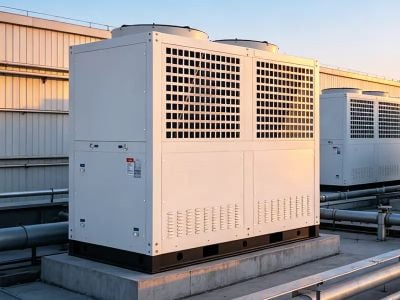
Adding a solar heat pump further improves efficiency by using renewable energy for heating and cooling applications. This reduces overall energy consumption while increasing system performance.
Regular maintenance is also essential. Cleaning solar panels, inspecting turbine components, and monitoring system performance help maintain peak efficiency throughout the year.
Energy monitoring software can provide valuable insights into electricity production and consumption, allowing users to identify opportunities for additional energy savings.
What Are the Best Practices for Sourcing Hybrid Renewable Energy Systems?
Selecting the right equipment and supplier plays a significant role in the long-term success of a hybrid renewable energy project.
Before purchasing a system, research the available technologies and understand how each component contributes to overall performance.
When evaluating suppliers, consider:
Product quality and certifications
Warranty coverage
Technical support
Installation services
Customer reviews
Industry experience
It is also important to evaluate your installation site. Local climate conditions, available sunlight, wind resources, and building orientation all influence system performance.
Businesses and homeowners should assess their annual electricity consumption before purchasing equipment. Reviewing utility bills helps determine the appropriate system size and ensures the investment matches future energy requirements.
Working with experienced renewable energy professionals can simplify system design and ensure every component operates efficiently.
What Common Issues Can Occur During Hybrid Renewable Energy System Installation?
Although hybrid renewable systems offer many advantages, proper planning helps avoid common installation challenges.
One frequent issue is improper system integration. Solar panels, wind turbines, inverters, batteries, and heat pumps must be correctly configured to work together efficiently.
Site conditions can also affect performance. Excessive shading, poor wind exposure, or unsuitable roof structures may reduce energy generation if not addressed during the planning stage.
Extreme weather conditions represent another consideration. High winds, heavy snowfall, and severe storms require equipment specifically designed to withstand local environmental conditions.
Routine maintenance is equally important. Without regular inspections, system performance may gradually decline due to dirt accumulation, loose electrical connections, or normal component wear.
While installation costs may seem significant initially, lower utility bills, reduced maintenance expenses, and available government incentives often provide substantial long-term financial benefits.
What Are the Latest Trends in Hybrid Renewable Energy Systems for Businesses?
Businesses are increasingly investing in hybrid renewable energy systems to reduce operating costs and improve sustainability.
One of the fastest-growing trends is the adoption of smart energy management systems. These technologies allow organizations to monitor electricity generation, energy consumption, and system performance in real time through cloud-based platforms and mobile applications.
Battery energy storage has also become an important part of modern hybrid systems. By storing excess electricity generated during peak production periods, businesses can use renewable energy when demand is highest or during power outages.
Artificial intelligence and predictive analytics are becoming more common in renewable energy management. These technologies help optimize energy production, forecast maintenance needs, and improve overall system efficiency.
Another growing trend is the development of highly integrated renewable energy solutions that combine solar generation, wind power, battery storage, electric vehicle charging, and intelligent energy management into a single system.
Sustainability reporting is also driving adoption. Many organizations are investing in renewable energy systems to reduce carbon emissions, meet environmental goals, and demonstrate their commitment to responsible business practices.
Why Are Hybrid Renewable Energy Systems a Smart Long-Term Investment?
Hybrid renewable energy systems provide a reliable, efficient, and environmentally responsible solution for modern energy needs. By combining technologies such as PVT solar panels, wind turbines, and solar heat pumps, users benefit from greater energy security, reduced electricity costs, and lower environmental impact.
With proper planning, professional installation, and routine maintenance, these systems can deliver dependable performance for decades. As renewable energy technology continues to advance, hybrid systems are expected to play an increasingly important role in creating sustainable, energy-efficient homes and businesses.
Table of Contents
- A Complete Guide to Hybrid Renewable Energy System Design
- What Are the Key Benefits of a Hybrid Renewable Energy System?
- How Can You Maximize Energy Efficiency with PVT Solar Panels and Wind Turbines?
- What Are the Best Practices for Sourcing Hybrid Renewable Energy Systems?
- What Common Issues Can Occur During Hybrid Renewable Energy System Installation?
- What Are the Latest Trends in Hybrid Renewable Energy Systems for Businesses?
- Why Are Hybrid Renewable Energy Systems a Smart Long-Term Investment?