 EN
EN


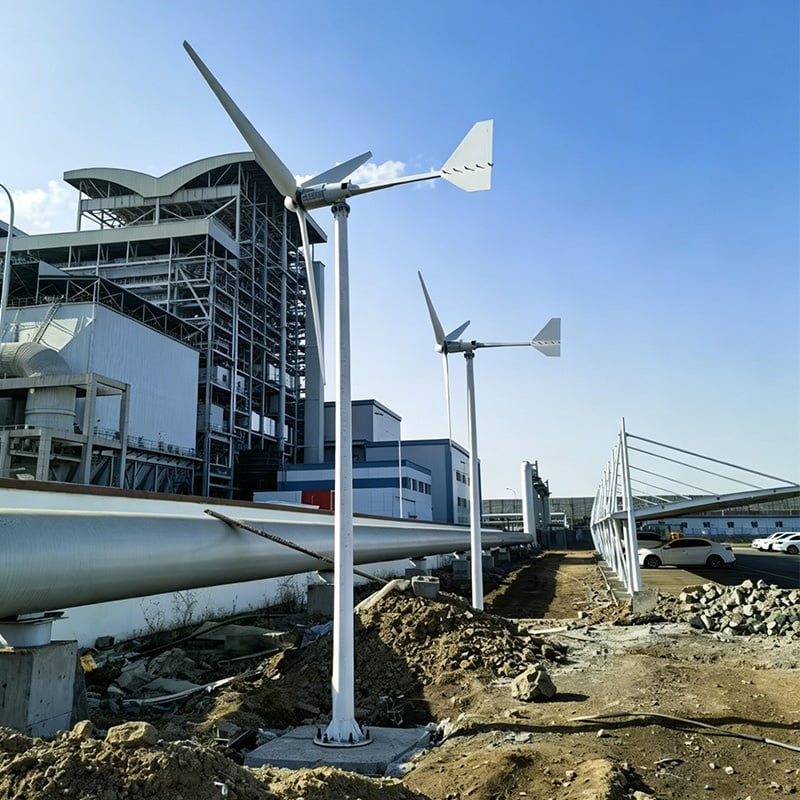
Wind energy is becoming more popular for farms that want to make their own power. Our company, Windfull, believes that installing wind turbine units can help farms save money and be more sustainable. Wind turbines use wind to create electricity, which can power machines, homes, and businesses. This is a great way to reduce reliance on non-renewable energy sources like coal or gas. Wind energy is clean and renewable, meaning it won't run out and doesn't pollute the air. By using wind turbines, farms can take a big step towards being environmentally friendly while cutting down on their electricity bills.
What Are the Key Benefits of Deploying Wind Turbine Units for Commercial Power?
Installing wind turbines on a farm can bring many benefits. First, it helps save money on energy costs. When a farm generates its own electricity, it doesn't have to pay high utility bills. This can be a big help, especially for farms that use a lot of power for things like irrigation or processing crops. Second, wind energy is clean and good for the environment. It doesn’t produce harmful gases that can hurt our planet. By using wind power, farms can show they care about the Earth and want to do their part to fight climate change. Another benefit is that wind turbines can provide a new income source. Farmers can sell extra energy back to the grid, making some extra cash. This could be a game-changer for many families who rely on farming for their livelihood. Additionally, wind turbine can create jobs. From installation to maintenance, many people are needed to keep wind farms running smoothly. This can help boost the local economy. Finally, using wind power can give farmers more control over their energy. They aren’t as affected by rising energy prices or outages. Instead, they can rely on their own power source. In short, installing wind turbine units can be a smart move for farms wanting to save money, protect the environment, and create new opportunities.
How to Assess the Feasibility of Wind Power Projects for Wholesale Buyers
When thinking about using wind power, it’s important to see if it makes sense for the farm. First, farmers need to check how much wind there is in their area. Places with strong and steady winds are the best spots for wind turbines. Farmers can look at weather data or even use small wind meters to help understand the wind patterns. Next, they should consider how much power they need. This means looking at how much electricity is used for things like running equipment, heating buildings, and other operations. Knowing this helps in deciding how many turbines to install. Cost is another big factor. Farmers must figure out how much money they need to invest in buying and installing the turbines. They should also think about maintenance costs, which can add up over time. Finding out if there are any government incentives or grants for renewable energy can help lower these costs. Additionally, talking to local energy companies can provide insight into how to connect the turbines to the grid and what regulations need to be followed. Lastly, it’s important to have a clear plan. This means thinking about how the project will be managed and how to handle any challenges that may come up. By taking these steps, farmers can see if wind power is a good fit for their needs and make informed decisions about the future.
Where to Find the Best Wind Turbine Solutions for Farm Energy Needs
When thinking about using spiral wind turbine for farms, it's important to find the best options that suit your energy needs. Wind turbines can help farms create their own electricity, which can save money and help the environment. At Windfull, we believe that every farm can benefit from the power of wind. To start, farmers should consider the size of their land and how much energy they need. A small farm may only need one or two turbines, while a larger farm might need several. It’s also important to look at how windy the area is. Some places have strong winds all the time, while others may only have gentle breezes.
Farmers can check local weather reports or use special tools called anemometers to measure wind speed. This information can help determine the best locations for the turbines. Next, farmers should look for wind turbine solutions that are easy to install and maintain. Windfull offers a variety of turbines that are built to last and are user-friendly. Additionally, it is smart to read reviews and talk to other farmers who have used wind turbines. They can share their experiences and help you make the right choice.
Another great way to find the best wind turbine solutions is to attend agricultural fairs or renewable energy expos. These events often showcase the latest technology and allow farmers to talk directly to experts. Windfull participates in many of these events to share information about our wind turbines and how they work. Connecting with other farmers and industry professionals can provide useful insights and help farmers choose the best wind turbine solutions for their energy needs.
Where to Source High-Quality Wind Turbines for Commercial Use
Finding high-quality wind turbines is essential for any farm looking to use wind energy. At Windfull, we focus on providing durable and efficient turbines designed for commercial use. When sourcing these turbines, farmers should consider where to buy them and what to look for in quality. One way to start is by researching online. Many websites provide lists of trusted manufacturers and reviews from other users.
Farmers should look for turbines that have a good warranty and strong customer support. This is important because it ensures that if something goes wrong, help is just a phone call away. Windfull offers excellent warranties and support to our customers, so they feel confident in their purchase. Additionally, it’s smart to choose turbines that are made from strong materials. This means they can withstand harsh weather conditions like rain, snow, and high winds.
Farmers might also want to visit local dealers or distributors. They can see the turbines in person and ask questions directly. This can help them understand how the turbines work and how they can fit into their farm's energy plan. It is also a good idea to ask about installation services. Some companies, like Windfull, offer help with installation, which can make the process easier for farmers. Finally, farmers should think about the total cost, including installation and maintenance. By doing a bit of research and comparing options, farmers can find high-quality wind turbines that are perfect for their commercial needs.
How to Navigate Regulatory Approvals for Wind Turbine Projects in Agriculture
Starting a commercial wind turbine project on a farm can be exciting, but it also comes with rules and regulations that must be followed. These regulations ensure that the turbines are safe and do not harm the environment or local wildlife. At Windfull, we understand that navigating these approvals can be tricky, but we are here to help. Farmers should first check with their local government to understand what permits are needed. Each area may have different rules, so it’s important to get this information before starting the project.
One common step is to submit a project proposal. This proposal usually includes details about how many turbines will be installed, where they will be placed, and how they will impact the surrounding area. It’s helpful to work with a professional who understands the regulatory process. They can guide farmers through the necessary steps and help prepare all required documents. Windfull can provide support in this area, ensuring that the project meets all legal standards.
Farmers may also need to hold public meetings or inform neighbors about the project. This is a great way to answer any questions and address concerns. Many people are excited about renewable energy, but it’s always good to keep the community in the loop. Once all requirements are met, the local government will review the proposal and either approve or deny it. If approved, farmers can finally start installing their wind turbines! By following these steps and working with Windfull, farmers can successfully navigate regulatory approvals and bring their wind energy projects to life.
Table of Contents
- What Are the Key Benefits of Deploying Wind Turbine Units for Commercial Power?
- How to Assess the Feasibility of Wind Power Projects for Wholesale Buyers
- Where to Find the Best Wind Turbine Solutions for Farm Energy Needs
- Where to Source High-Quality Wind Turbines for Commercial Use
- How to Navigate Regulatory Approvals for Wind Turbine Projects in Agriculture