 EN


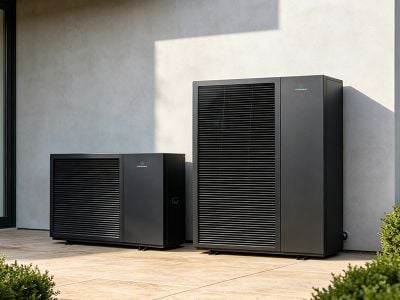
Public facilities and institutions play an important role in our communities. They include schools, hospitals, libraries, and government buildings. These places need heating and cooling to keep everyone comfortable. A great way to provide this is through large-scale heat pumps. The company Windfull is dedicated to helping public facilities use heat pumps. They work by moving heat from one place to another. This means they can heat buildings in winter and cool them in summer. Using heat pumps is a smart choice for many reasons
What You Need to Know
Heat pumps are machines that transfer heat instead of creating it. They can take heat from the air, ground, or water and move it into a building. In warm weather, they work in reverse and take heat out of the building, keeping it cool. This makes them very energy-efficient. One thing to know is that heat pumps can use electricity, which is often cleaner than burning gas or oil. This means they can help reduce the carbon footprint of public buildings. They can also be used for heating water, which is useful for kitchens and restrooms in schools and hospitals. Windfull has experience in installing these systems, which is important for making sure they work well and save energy
It is also important to choose the right size of heat pump for each building. If the pump is too small, it won’t heat or cool effectively. If it’s too big, it may waste energy and increase costs. Windfull can assess each facility’s needs to find the best fit. Another important detail is maintenance. Regular check-ups keep the heat pumps running smoothly and efficiently. This will help to avoid unexpected costs from repairs
Many public facilities are starting to realize the benefits of heat pumps. They can be part of a larger plan for energy efficiency. Some cities even have programs to encourage the use of Heat Pumps in government buildings. This is a great way to lead by example and show the community how to be more eco-friendly
What Are the Benefits of Deploying Heat Pumps in Public Institutions
There are many benefits to using heat pumps in public institutions. First, they can save a lot of money on energy bills. Because they use electricity more efficiently, the costs of heating and cooling become lower. This is very important for schools and hospitals, which often have tight budgets. With the money saved, they can spend more on things that matter, like teachers or medical supplies
Another big advantage is that heat pumps are better for the environment. Since they use less energy than traditional heating systems, they contribute less to pollution. This is crucial for cities that want to clean up their air. It also sets a good example for the community and encourages people to think about energy use in their own homes. Windfull is committed to making sure the installations are done right, so public facilities can achieve their energy goals
Using heat pumps can also improve the comfort of the people who use these buildings. In schools, students and teachers can focus better when the temperature is just right. In hospitals, patients need a comfortable environment to recover. Heat pumps help maintain consistent temperatures, which is vital in these settings
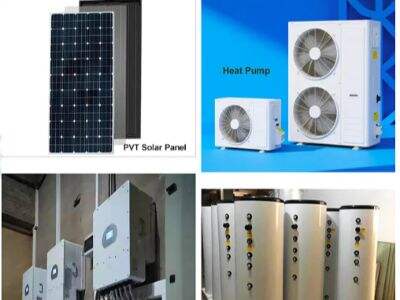
Finally, heat pumps can be part of a larger strategy for sustainability in public facilities. They can work alongside solar panels and other renewable energy sources to create a more energy-efficient building. This is great for the future. Windfull believes in the importance of investing in technology that not only saves money but also helps protect our planet
Overall, heat pumps are a smart choice for public facilities. They save money, protect the environment, and create a comfortable space for everyone. With companies like Windfull leading the way, more institutions can benefit from this technology
How to Address Common Usage Issues with Large-Scale Heat Pumps
Large-scale heat pumps are a great way to keep public buildings warm in the winter and cool in the summer. However, sometimes they can have problems that make them hard to use. One common issue is that they may not provide enough heat or cooling for large spaces. This can happen if the heat pump is not the right size for the building. If a heat pump is too small, it won’t be able to keep up with the temperature needs of the building. To fix this, it is important for public facilities to work with experts who can help choose the right size and type of heat pump. Another issue is that some people may find the heat pumps noisy. If a heat pump makes too much noise, it can be very distracting, especially in places like schools or hospitals. To solve this problem, facilities can choose heat pumps that are designed to be quieter. Maintenance is also a big part of keeping heat pumps working well. Sometimes, if they are not checked regularly, they can run less efficiently. This means they might not heat or cool buildings as well as they should. Regular check-ups by trained professionals from Windfull can help keep the heat pumps in good shape. They can clean filters and check for any issues before they become big problems. Overall, addressing these common issues is key to making sure that large-scale heat pumps work well in public facilities. With the right size, quieter models, and regular maintenance, these systems can be very effective and helpful
Unlocking the Potential of Heat Pumps for Sustainable Public Facilities
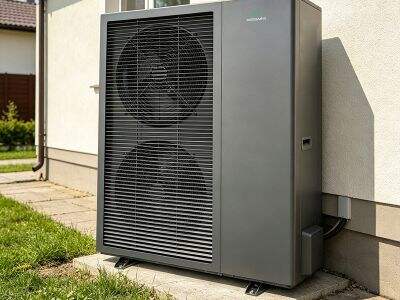
Heat pumps are an important part of making public facilities more sustainable. They help reduce energy use and lower greenhouse gas emissions, which is good for the planet. Public buildings, like schools and town halls, use a lot of energy for heating and cooling. By switching to heat pumps, these buildings can save energy and money. Heat pumps work by moving heat from one place to another. In winter, they take heat from the outside air and bring it inside. In summer, they do the opposite, taking heat from inside and moving it outside. This process uses less energy than traditional heating and cooling systems, which burn fuel. Windfull is committed to helping communities make this change. When public facilities use heat pumps, they show everyone how important it is to take care of the environment. They can inspire others to think about how they use energy and find ways to be more eco-friendly. Another great thing about heat pumps is that they can work with renewable energy sources, like solar panels. This means that public buildings can use clean energy to run their heat pumps, making them even more sustainable. By investing in heat pump technology, cities and towns can create a greener future. It’s not just about saving money; it’s also about protecting our planet for future generations. Public facilities that use heat pumps can lead the way in showing that it is possible to be both comfortable and environmentally friendly
Where to Learn About the Latest Trends in Heat Pump Technology for Institutions
Learning about the newest trends in heat pump technology is important for institutions that want to stay up to date. There are many resources available where people can find this information. One of the best places to start is online. Websites dedicated to energy efficiency often have articles, videos, and reports about the latest advancements in Solar Heat Pump System. These resources can help schools, hospitals, and government buildings understand how to improve their heating and cooling systems. Windfull also offers workshops and webinars that focus on heat pump technology. Attending these events can be very helpful for staff in public facilities who want to learn more about how heat pumps work and how they can benefit their buildings. Another way to learn is by joining professional organizations that focus on energy efficiency and sustainability. These groups often provide newsletters, training sessions, and conferences where people can share ideas and learn from each other. Keeping up with these trends is important because technology is always changing. New innovations can make heat pumps even more efficient or easier to use. By staying informed, institutions can make better decisions about their heating and cooling needs. Additionally, visiting local energy fairs or community events can provide hands-on learning and real-life examples of successful heat pump projects. Overall, there are many ways for institutions to educate themselves about heat pump technology, and by doing so, they can make a positive impact on their communities and the environment
Table of Contents
- What You Need to Know
- What Are the Benefits of Deploying Heat Pumps in Public Institutions
- How to Address Common Usage Issues with Large-Scale Heat Pumps
- Unlocking the Potential of Heat Pumps for Sustainable Public Facilities
- Where to Learn About the Latest Trends in Heat Pump Technology for Institutions