
Essential Guide to Vertical Wind Power Turbines

Get a Free Quote

Our representative will contact you soon.
Email
Mobile/WhatsApp
Name
Company Name
Message
0/1000

vertical wind power turbine

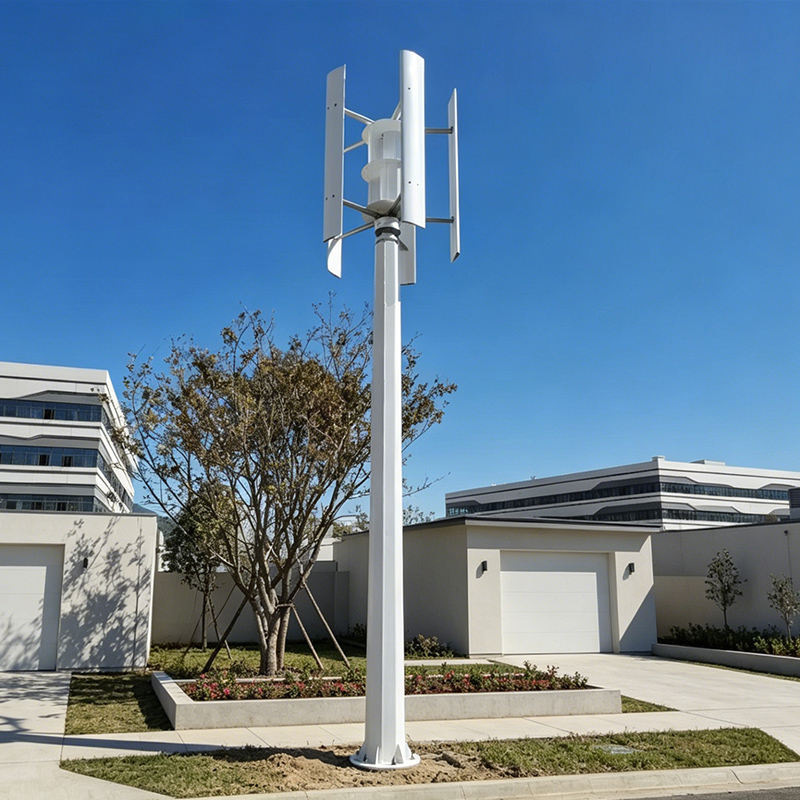
Vertical  wind power turbines  are increasingly recognized  as a viable  solution for renewable energy generation in both urban  and rural environments. These turbines  harness wind energy efficiently, contributing  to sustainability efforts while offering  a range  of applications from powering small devices to  contributing  to larger energy grids. For B2B  buyers, including  purchasing  managers and engineers, understanding how to  evaluate  and source vertical wind power turbines  is crucial. This  article will guide you through essential considerations when purchasing these turbines, helping to  ensure you make informed  decisions that meet your project requirements.
A Buying Guide

When sourcing vertical wind power turbines, it's vital to consider several factors that influence their performance, efficiency, and suitability  for specific  applications. Begin  by assessing  the intended use, whether for  residential, commercial, or industrial applications. Different environments may necessitate varying specifications, such as turbine size, power  output, and design. Additionally, consider the manufacturer's reputation, experience in the  industry, and compliance  with international  standards, which can significantly impact product  quality and reliability. Engaging with  suppliers who have a proven track record—like  Suzhou WindFull New Energy  Co.,  Ltd., which specializes in small wind turbines—can provide insights  into product  performance and application  suitability. For example, you may also explore options like the PVT Solar Panel to complement your energy solutions. Requesting detailed product specifications and performance data will also aid  in  making  a well-informed choice.

Frequently Asked Questions

What is a vertical wind power turbine?

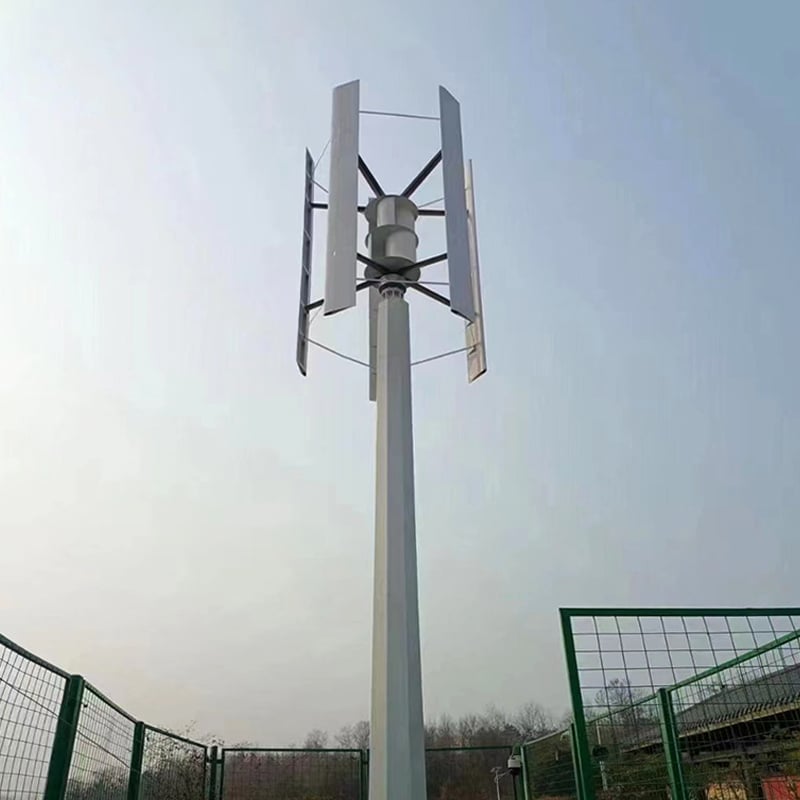
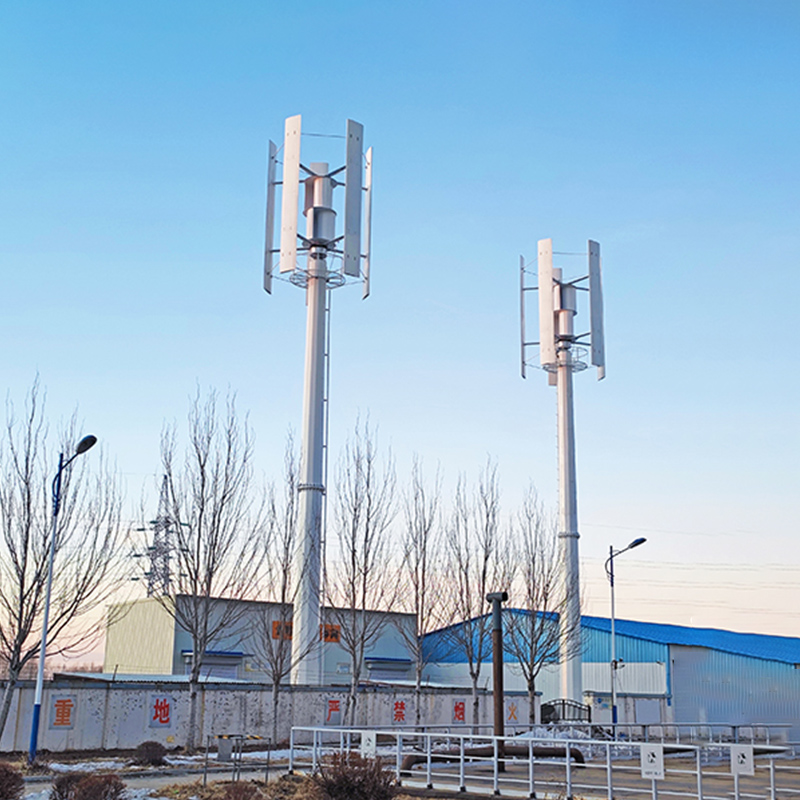
A vertical wind power turbine is a small-scale wind generator with vertically oriented blades, designed for urban or remote installations to capture wind from any direction for reliable low-carbon electricity generation.
We offer small turbines ranging from a few hundred watts to several kilowatts, suitable for residential, commercial, and off-grid applications. Contact us for specific capacity options and customization.
Installation is straightforward with modular components and local mounting options. Routine maintenance includes blade inspection, lubrication, and electrical checks; our manuals and support ensure long-term performance.
Our designs optimize low-wind startup and efficiency, providing steady output in typical urban and rural wind conditions. Actual energy depends on site wind speed and turbine model.
We follow international standards, strict quality control, and in-house R&D testing. Products undergo performance and safety checks to ensure durability and compliance.

Our Blog Posts

PVT Solar Panel Complete Guide: Generate Electricity and Thermal Heat Simultaneously

26

Jun

PVT Solar Panel Complete Guide: Generate Electricity and Thermal Heat Simultaneously

Solar panels are a great way to make electricity from sunlight. But did you know there is a special kind called PVT solar panels? PVT stands for photovoltaic and thermal. These panels can produce both electricity and heat at the same time. &nbsp...
View More
Small Scale Heat Pump Options for Tiny Homes and Mobile Off-Grid Cabins

06

Jul

Small Scale Heat Pump Options for Tiny Homes and Mobile Off-Grid Cabins

Tiny homes and mobile off-grid cabins are becoming more popular as people look for simpler and more sustainable living options. One important part of these homes is heating. A small scale heat pump can help keep you warm without using a lot of energy...
View More
Quiet & Efficient: Best Air Source Heat Pumps for European Bedrooms & Living Areas

31

Dec

Quiet & Efficient: Best Air Source Heat Pumps for European Bedrooms & Living Areas

Air source heat pumps are becoming popular in Europe for keeping homes warm in winter and cool in summer. They work by pulling heat from the air outside and bringing it inside your home. This makes them a great choice for bedrooms and living areas. O...
View More

Get a Free Quote

Our representative will contact you soon.
Email
Mobile/WhatsApp
Name
Company Name
Message
0/1000

Related product categories

Evaluating the Quality of Vertical Wind Power Turbines for Purchase

Evaluating the Quality of Vertical Wind Power Turbines for Purchase

Quality evaluation  of  vertical wind  power  turbines involves a thorough inspection of several aspects, including  materials  used, manufacturing processes, and quality  control measures.  High-quality turbines are typically made from durable materials that withstand various environmental conditions, such as corrosion-resistant metals  or composites.

Manufacturing  capabilities play a crucial role in the final product quality. Understanding the supplier's production equipment and processes can provide insights into  their ability  to maintain consistency and quality throughout production.  For example, reputable manufacturers often employ rigorous quality control processes, including testing prototypes under real-world conditions and obtaining relevant certifications that  ensure compliance with safety and performance standards. Additionally, potential buyers should consider the turbine's design  and efficiency ratings, which indicate  how effectively the turbine converts wind energy into electrical power. Thoroughly reviewing these factors  will  help  ensure that the selected turbines meet the necessary performance criteria for your specific  application.

What to Look For

What to Look For

When evaluating vertical wind power turbines, several critical specifications should be confirmed:

Power Output: Determine the expected power generation capacity based  on wind conditions in your area.  This  is  essential for ensuring the turbine meets energy requirements. Blade  Design: The design  and material of the blades affect efficiency and noise  levels. Look for aerodynamically  efficient designs that minimize vibration and noise pollution. Height and  Diameter: The size of  the turbine affects its capture area and, consequently, its potential energy output. Ensure the dimensions fit within  local zoning  regulations and site-specific  conditions.  Installation Requirements: Assess the complexity of  installation and whether specialized  equipment or expertise is needed. This can impact both lead times and overall project  costs. Warranty and Support Services:  A robust warranty  and access to technical support are vital for addressing  any potential issues after installation.
Best Practices

Best Practices

To ensure  a successful procurement process for vertical wind power turbines, consider implementing the following best  practices:

Conduct Site Assessments: Before purchasing, conduct a thorough  site assessment to analyze wind patterns  and environmental factors that may impact  turbine  performance. Request Detailed Proposals: When reaching out to suppliers, provide comprehensive  information about your project's requirements, including  expected power output, application type, and any customization needs. This will help suppliers offer tailored solutions. Evaluate Supplier Experience: Choose  suppliers with extensive  industry experience and a history of successful projects.  This can enhance  trust in their  ability to deliver quality products. Review  Installation and Maintenance Plans:  Discuss installation procedures and ongoing  maintenance requirements with potential suppliers to  ensure  long-term operational  efficiency. By following these best practices, buyers can mitigate risks and enhance the overall  effectiveness of their vertical wind power turbine investments.

Cost Factors to Consider When Sourcing Vertical Wind Power Turbines

The  cost of vertical wind power turbines can vary significantly based  on several factors. Understanding these factors  can help buyers make more informed decisions and budget effectively:

Initial Purchase Price: This includes the cost of  the  turbine itself, which can vary based on size, design, and manufacturer. While lower-cost options may be appealing,  it’s essential to consider the  potential trade-offs in performance and durability. Installation Costs: Installation can  incur additional costs depending on site conditions and whether specialized labor is required. It's beneficial to factor in these  costs when evaluating total expenditures.  Maintenance Expenses: Consider the expected maintenance needs over the turbine's lifespan. Some  designs may require more  frequent servicing, impacting long-term operational  costs. Energy Savings and ROI: Evaluate the potential energy savings and return on investment (ROI) over time. A higher initial investment may yield better  long-term savings if the turbine has superior  efficiency and reliability. For instance, integrating a Solar Heat Pump System could enhance your energy efficiency further.

Additionally, keep  in mind that some  manufacturers may offer financing options or leasing arrangements that can help manage up-front costs, making it easier to invest in quality solutions.

In  summary, when considering vertical wind power  turbines, a detailed understanding of product specifications, quality evaluation, best practices, and cost factors is essential. By carefully assessing these elements, B2B buyers  can make informed purchasing decisions that align with their energy needs and sustainability goals.