
Central Heat Pump Applications and Specifications

Get a Free Quote

Our representative will contact you soon.
Email
Mobile/WhatsApp
Name
Company Name
Message
0/1000

central heat pump

Central heat pumps are essential systems for efficiently managing heating  and  cooling in various  applications. As a B2B buyer,  understanding the specifications, applications, and advantages of  these  systems  can  greatly influence your purchasing decisions. This article will guide you through evaluating central  heat pump  specifications  for wholesale orders, exploring  applications  across  industries, assessing the importance  of  quality materials, comparing product  options, and providing  insights for  distributors  and contractors.

How to Evaluate Central Heat Pump Specifications for Wholesale Orders

When  evaluating central  heat pumps for wholesale orders, several key specifications must  be considered. Start with  the heating capacity, typically measured in  BTUs or kilowatts, which indicates how much  heat the  pump can provide.  This specification is crucial for  ensuring the pump meets the heating or cooling requirements of the intended application.

Next, assess the coefficient of performance (COP), which measures the efficiency of the heat pump. A higher COP indicates better efficiency, which translates to lower operational costs and  energy savings over time. Additionally, look into the  temperature range the heat pump can  operate within, as this will determine its suitability for specific climates and applications.

Buyers should also pay attention to the refrigerant type used in the system. Environmentally friendly refrigerants, such as R-410A, are increasingly preferred due to regulatory  standards. Furthermore, ensure that the manufacturer provides relevant certifications, such as ISO  standards, which demonstrate adherence to quality and safety protocols.

Lastly, be aware of the minimum order  quantity (MOQ) and  lead time associated with your order.  Understanding these factors will  help you  manage inventory  and project timelines effectively. For those considering a comprehensive solution, exploring a Solar Heat Pump System could also be beneficial.

Frequently Asked Questions

What is the central heat pump and its purpose?

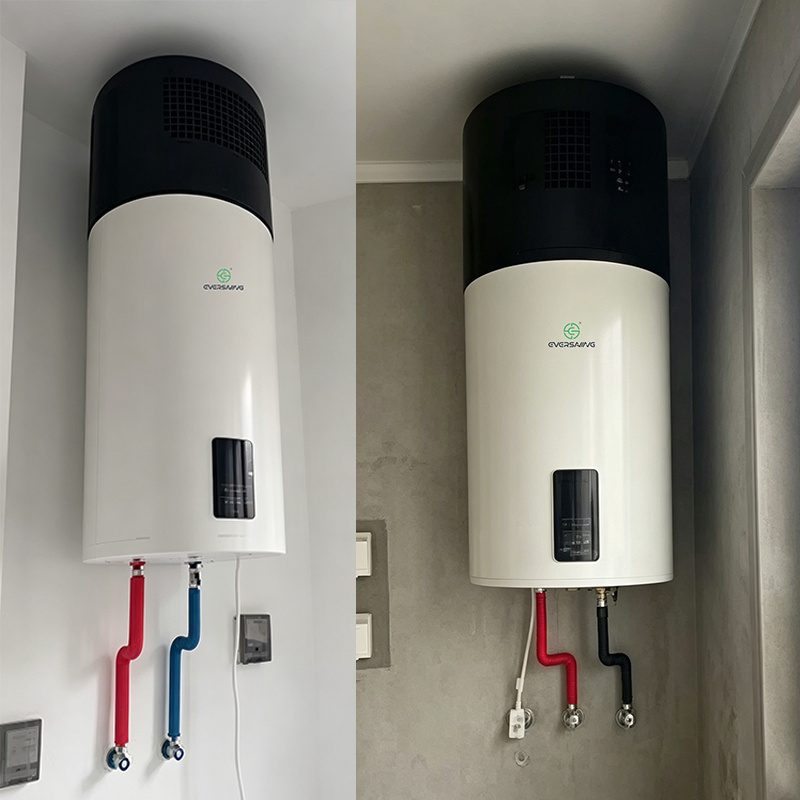
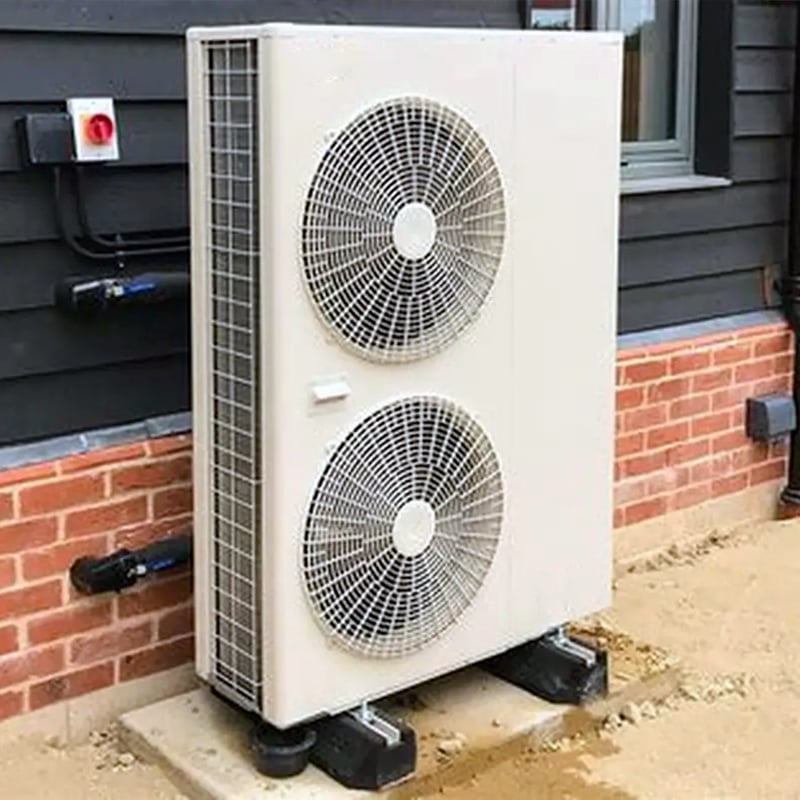
The central heat pump is a centralized system for heating, cooling, and hot water, designed for residential or commercial buildings to improve energy efficiency and integrate with renewable sources.
We offer multiple capacities tailored to building size and load profiles. Models vary by output, efficiency, and integration with PVT systems; contact us for a custom selection based on your project.
Designed with advanced energy technologies and strict quality control, the system meets international standards for efficiency and delivers reliable operation and long service life.
Yes. Our central heat pump is engineered to integrate with small wind turbines and PVT heat pump systems for optimized renewable energy use and reduced operational costs.
We provide technical support, installation guidance, parts supply, and warranty terms based on the selected model. Contact our service team for specific warranty duration and service details.

Our Blog Posts

Lower Operational Costs With Solar Heat Pump Systems for Enterprises

18

Aug

Lower Operational Costs With Solar Heat Pump Systems for Enterprises

Solar heat pump systems are becoming a popular choice for businesses that want to save money. These systems use energy from the sun to help heat and cool buildings. This means that companies can lower their energy costs. When businesses use less ener...
View More
Custom Solar Heat Pump Systems for Different Business Requirements

17

Oct

Custom Solar Heat Pump Systems for Different Business Requirements

Many businesses today are looking for ways to save energy and reduce their costs. One great solution is custom solar heat pump systems. These systems can help different types of businesses, big or small, by using solar energy to heat or cool their sp...
View More
Heating, Cooling & Hot Water: All-in-One ASHP Solutions for European Homes

20

Jan

Heating, Cooling & Hot Water: All-in-One ASHP Solutions for European Homes

Heating, cooling, and hot water are important for every home, especially in Europe where the weather can change a lot. Many houses need a good way to stay warm in winter and cool in summer. One great solution for this is the Air Source Heat Pump (ASH...
View More
Retrofit Solutions: Air-to-Water Heat Pumps for Old European Homes

25

Jan

Retrofit Solutions: Air-to-Water Heat Pumps for Old European Homes

Air-to-water heat pumps are a smart choice for old homes in Europe. Many buildings in Europe are quite old, often with thick walls and unique designs. These homes might not have the best heating systems, and that can make them cold and uncomfortable....
View More

Get a Free Quote

Our representative will contact you soon.
Email
Mobile/WhatsApp
Name
Company Name
Message
0/1000

Related product categories

Exploring Applications of Central Heat Pumps in Various Industries

Exploring Applications of Central Heat Pumps in Various Industries

Central heat pumps are versatile systems used across a variety of industries.  In  residential applications, they provide efficient heating and cooling solutions, enhancing comfort and energy savings for homeowners. In commercial settings, such as  offices and retail spaces, central heat pumps can manage  large  air volumes and maintain consistent indoor climates, essential for employee productivity and customer satisfaction.

The industrial sector also benefits from  central heat pumps,  particularly in processes requiring precise temperature control. For  instance, in  manufacturing  facilities, they can be  used for space heating, process heating, or  even for preheating materials before processing, improving operational  efficiency.

In the agricultural sector,  central heat pumps  are increasingly utilized for climate control in greenhouses,  where maintaining optimal temperature and humidity  levels is  crucial for crop yield. Additionally, they are applied in district  heating  systems, where multiple buildings are served by a centralized heat source, effectively reducing energy consumption and emissions.

The Advantages of Quality Materials in Central Heat Pump Systems

The Advantages of Quality Materials in Central Heat Pump Systems

The materials used in central heat pump systems significantly impact their performance, durability, and  efficiency.  High-quality components, such  as corrosion-resistant metals for heat exchangers and insulation materials  with low  thermal conductivity, enhance the system's  overall efficiency  and lifespan.

Using  robust  materials not only ensures reliability  but  also minimizes maintenance  needs. For example,  systems constructed with high-grade stainless steel can withstand harsh conditions and resist corrosion, contributing to long-term operational reliability. Additionally, the insulation materials play a crucial role in preventing heat loss, thus maximizing energy  efficiency.

Moreover, the choice of  materials affects  the initial cost  and total cost  of  ownership. While higher-quality materials may lead to a larger upfront investment, they often result in lower operational costs and fewer replacements over time. Buyers  should weigh these factors carefully when selecting central heat pumps.

How to Compare Different Central Heat Pumps for Your Projects

How to Compare Different Central Heat Pumps for Your Projects

When comparing central heat  pumps, focus on several critical aspects to ensure you select the right system  for your  project. Start with performance  specifications, such as heating and  cooling capacities, efficiency ratings, and operational temperature ranges. These  metrics provide a baseline  for evaluating the suitability of each pump for your specific  application.

Next,  consider  the build quality and materials used in the construction of the heat pumps. Systems that utilize high-grade components are likely to offer better performance  and durability over  time. Look for information  on warranties and service agreements, as these can indicate the manufacturer's  confidence in their product.

Additionally, evaluate the manufacturer's reputation and  customer service record. A supplier with a strong track  record of support and reliability can significantly enhance the purchasing experience and ensure you receive timely assistance when needed.

Lastly, consider energy efficiency ratings, as these will directly impact operational costs.  Systems with higher SEER  (Seasonal Energy Efficiency Ratio) or EER (Energy Efficiency Ratio) values are generally more  efficient and cost-effective in the long run.


A Guide for Distributors and Contractors

For distributors and contractors, understanding the central heat pump market is crucial for providing  clients with the best options. Start  by familiarizing  yourself with the various types of heat pumps  available, including air-source, ground-source, and water-source options. Each  type has unique advantages and applications,  so knowing the differences will aid in making informed recommendations. Exploring solutions such as PVT Solar Panel can also complement your offerings.

It's also essential to stay updated on industry trends, regulatory changes, and technological advancements  that may affect the performance and efficiency of  heat pumps. Being knowledgeable about these changes can  enhance your credibility and help you better serve your clients.

When working with  clients, ensure you gather detailed information about their specific needs,  including the intended  application,  required capacities, and  any customization requests. This information will allow you to provide tailored solutions  that meet their expectations.

Moreover, establish strong relationships with manufacturers like Suzhou WindFull New Energy Co., Ltd.,  which specializes in advanced energy  technologies and stringent quality  controls. Collaborating with reputable  manufacturers can provide you with reliable  products and support, ultimately enhancing your offerings in the market.